Unlocking Opportunities in Buying Property in Dubai
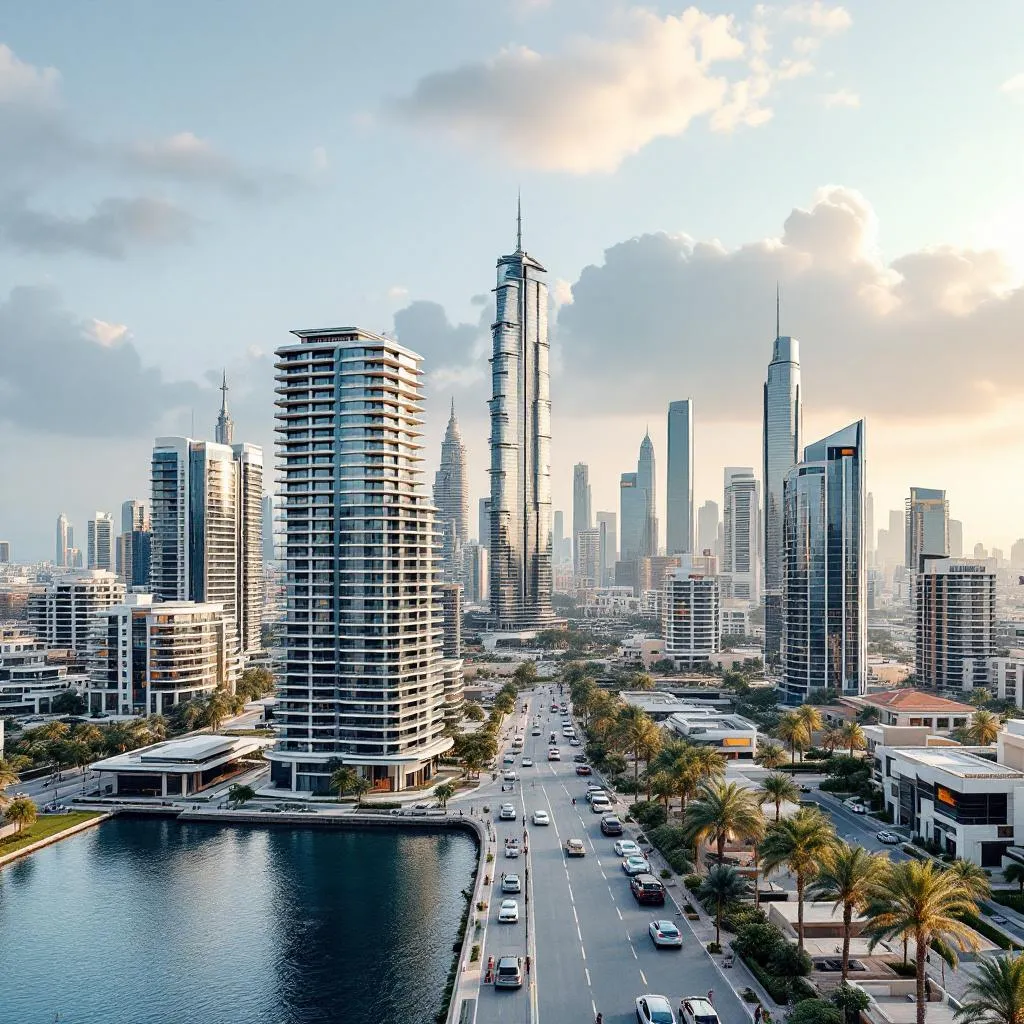
Dubai’s real estate market offers unique opportunities for both local and international buyers. Understanding the current trends and regulations is crucial for a successful property investment. The city’s strategic location, coupled with its rapid growth, makes it an attractive hub for property investments.
What Should You Know About Buying Property in Dubai?
The legal framework for foreign property ownership in Dubai is straightforward and investor-friendly. Thanks to the Freehold Law introduced in 2002, foreigners are allowed to buy, sell, and rent properties in designated areas without any special permissions (Source: Wise). Familiarizing yourself with the local market dynamics can significantly enhance your investment strategy. Dubai’s growing economy and infrastructure development promise long-term benefits for investors, making it a prime location for real estate.
What Types of Properties Are Available in Dubai?
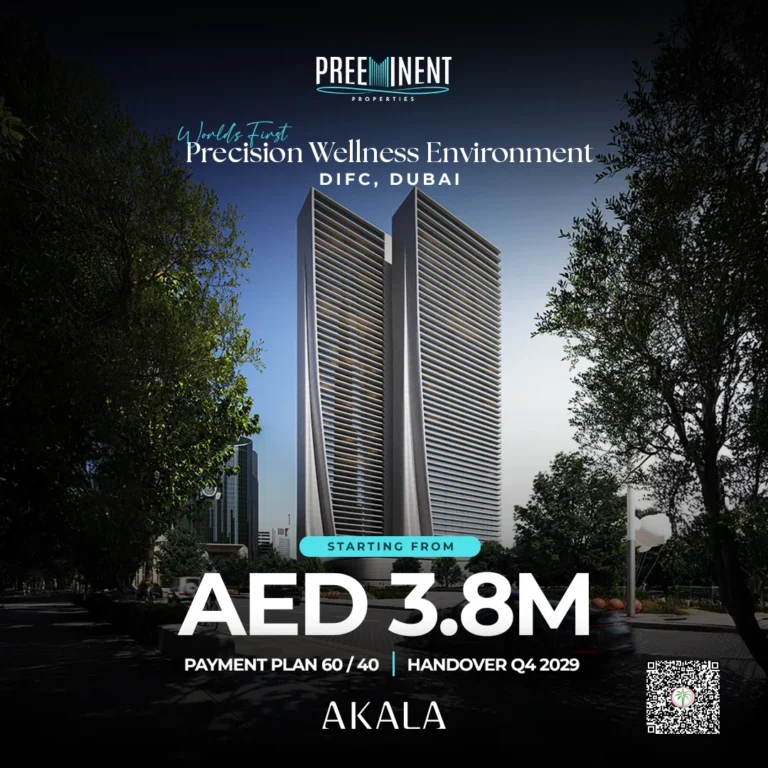
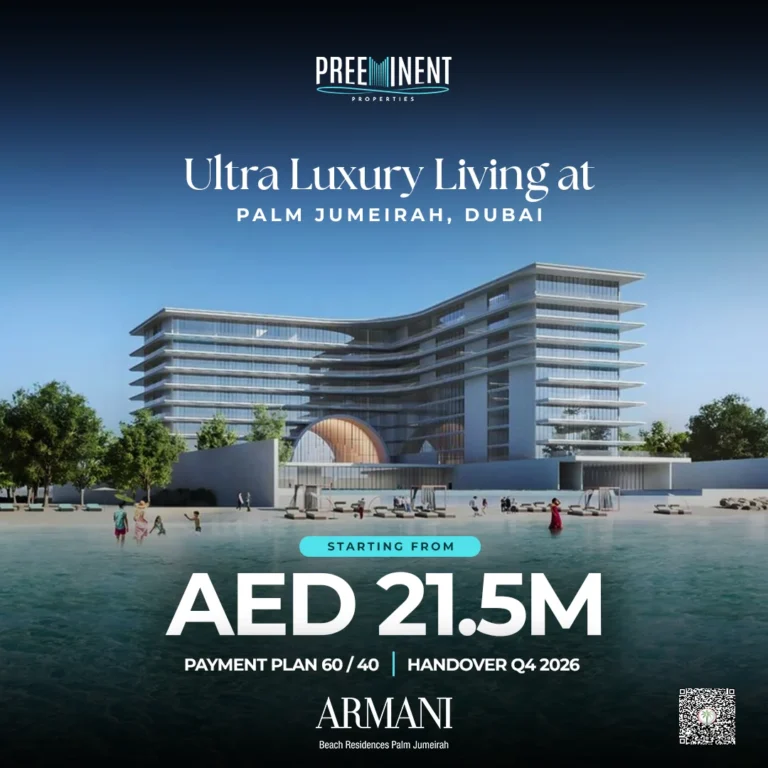
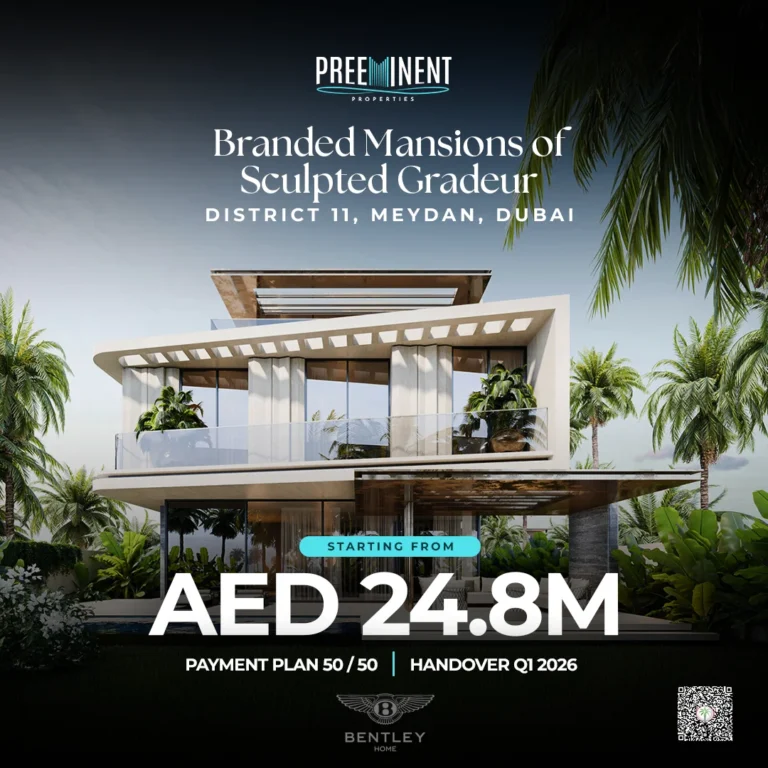
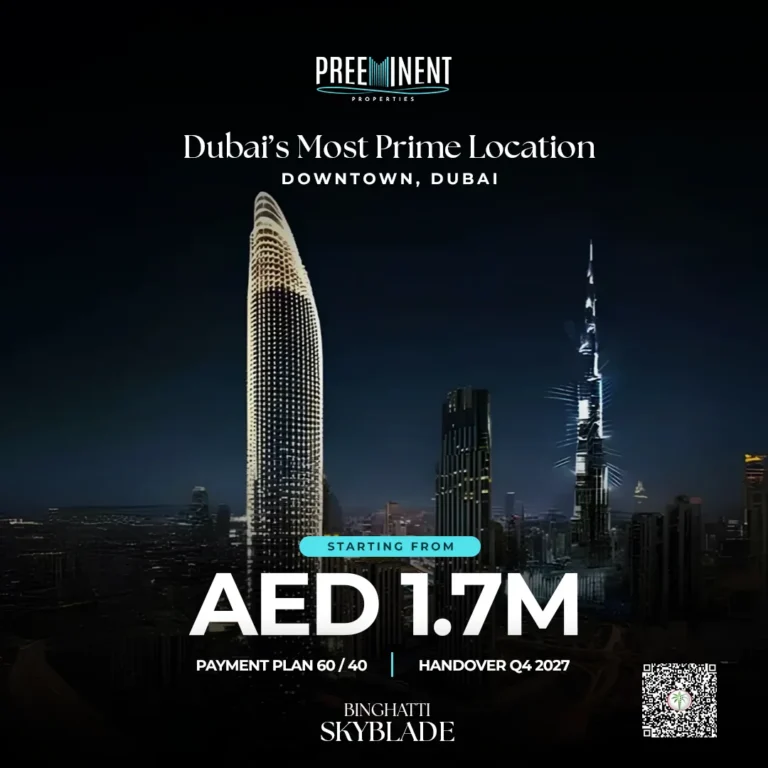
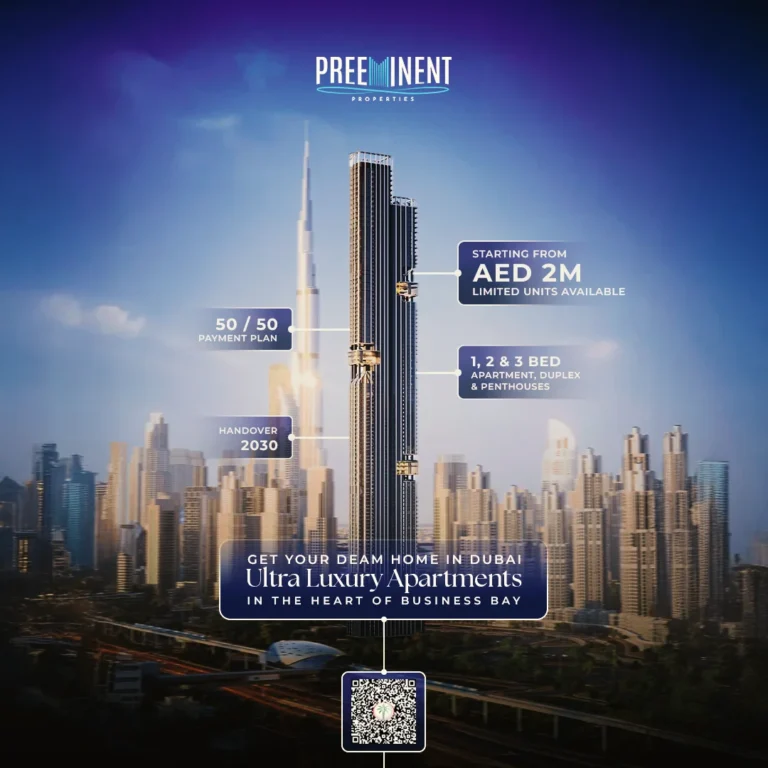
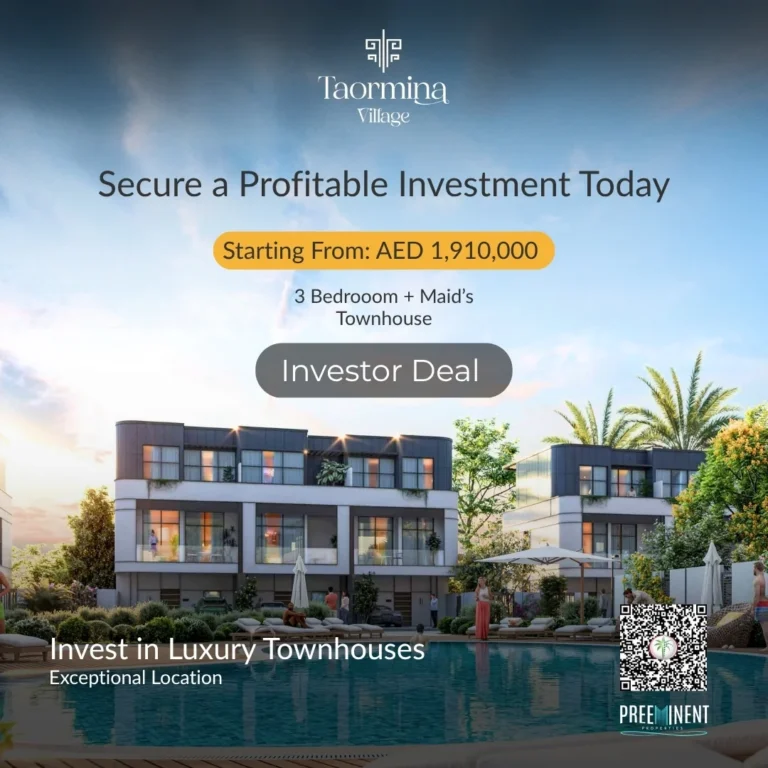
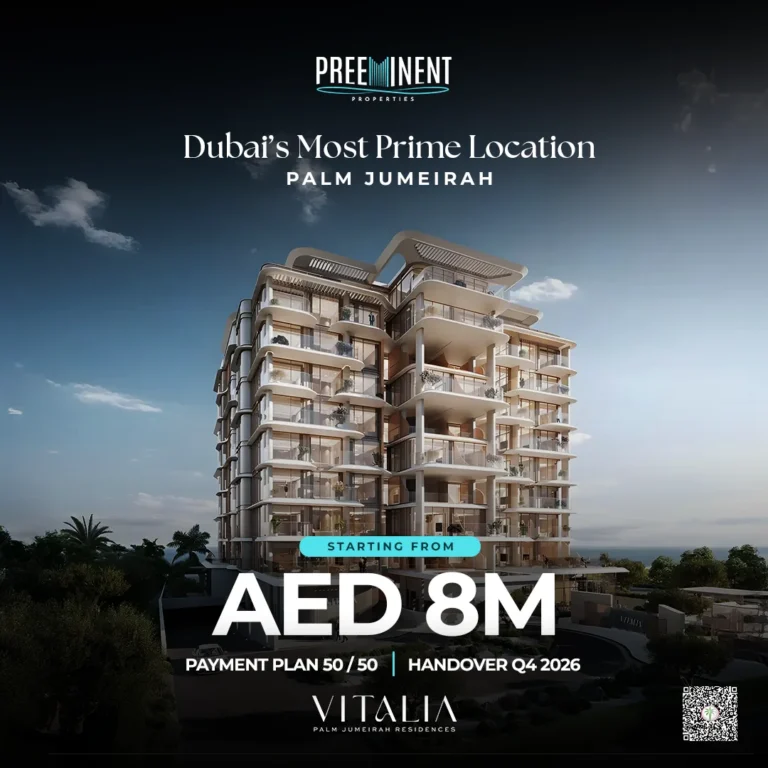
Dubai offers a plethora of property types to suit various preferences and budgets. For those seeking urban living, there are diverse ranges of apartments for sale in Dubai. These apartments cater to modern lifestyles with state-of-the-art amenities. Luxury seekers will find an array of villas for sale in Dubai, providing an exclusive lifestyle and significant investment potential. Furthermore, off-plan properties in Dubai are increasingly popular, allowing buyers to invest early in new developments.
💡 Need personalized guidance?
Comparing Different Property Types in Dubai
How to Navigate the Dubai Real Estate Investment Process?
Start by defining your investment goals and budget to narrow down your options. This initial step helps in focusing your search on properties that align with your financial and lifestyle objectives. Engaging a reputable real estate agent who is familiar with the Dubai market can provide invaluable assistance. These professionals offer insights into the best areas for investment and help streamline the buying process. Furthermore, understanding the financing options available, including mortgages for expatriates, can ease the financial burden of purchasing property in Dubai.
Frequently Asked Questions
What are the costs associated with buying property in Dubai?
When buying property in Dubai, you need to account for various costs including registration fees, typically around 4% of the property value, agent commissions, and maintenance fees. It’s essential to budget for these additional expenses to avoid any surprises.
Can foreigners buy property in Dubai?
Yes, foreigners can buy property in Dubai under specific conditions. The Freehold Law permits property purchases in designated areas, allowing international investors to own, sell, and rent properties without special permissions.
What is the process of buying off-plan properties in Dubai?
Buying off-plan properties involves a few key steps such as booking, signing a contract, and adhering to a payment plan. This allows investors to secure properties at potentially lower prices before completion.
Are there any tax implications for buying property in Dubai?
Dubai offers a favorable tax environment with no property taxes. However, it’s important to consider service charges and other fees that might apply to your property.
What should I look for when choosing a location in Dubai?
When selecting a location, consider factors such as proximity to amenities, accessibility, and any planned future developments. These aspects can significantly impact your property’s value and livability.
How can I ensure my investment is secure?
To secure your investment, research the developer’s reputation and review the project’s details thoroughly. Engaging with reliable real estate agents can also provide added security and peace of mind.
Key Figures in Dubai Real Estate
Dubai’s real estate market continues to thrive, driven by robust demand and strategic developments. Some key figures include:
- Average property price growth in 2026: 5% (Source: Wise) – Reflects the increasing demand in the Dubai property market.
- Percentage of foreign buyers in Dubai: 60% (Source: Wise) – Indicates the popularity of Dubai among international investors.
- Number of new developments launched in 2026: 150 (Source: Wise) – Shows the ongoing growth and opportunities in the market.
- Average rental yield in Dubai: 6% (Source: Wise) – Highlights the potential for income generation from investments.
Buying property in Dubai can be a rewarding investment if approached with careful planning and research. The city’s dynamic real estate market offers diverse opportunities for both local and international investors. Whether you’re looking at apartments for sale in Dubai, villas for sale in Dubai, or exploring off-plan properties Dubai, there’s something for every investor.
Understanding Dubai Property Market Trends
To make informed decisions when buying property in Dubai, it’s crucial to understand the current market trends. The Dubai real estate market has shown resilience and adaptability, attracting investors with its innovative developments and robust infrastructure.
Emerging Neighborhoods
Dubai is continually expanding, and several emerging neighborhoods are gaining attention. Areas such as Dubai South and Meydan are seeing significant development, offering competitive prices compared to established regions like Downtown Dubai and Dubai Marina. These areas are poised for growth, making them attractive options for investors seeking properties with high appreciation potential.
Technology and Innovation
The integration of technology in real estate is transforming the market. Smart home technologies and virtual property tours have become prevalent, enhancing the buying experience. Developers are incorporating sustainable and smart features in new projects, aligning with global trends towards eco-friendly living spaces.
Economic Factors
Dubai’s economy is a major driver of its real estate market. The city’s strategic location as a business hub, coupled with initiatives like Expo 2020, has spurred economic activity, attracting more expatriates and businesses. This influx has increased demand for residential and commercial properties, influencing market dynamics.
Financing Your Property Purchase in Dubai
Navigating the financing options for purchasing property in Dubai is a critical step in the investment process. Whether you’re a resident or an international buyer, understanding the available financial products can facilitate your entry into the market.
Mortgage Options
Dubai offers various mortgage options for both residents and expatriates. Banks in Dubai provide competitive interest rates and flexible terms. Typically, expats can borrow up to 80% of the property’s value, while residents might qualify for up to 85%. Consulting with a mortgage advisor can help determine the best loan terms based on your financial situation.
Payment Plans for Off-Plan Properties
For those considering off-plan properties Dubai, developers often offer attractive payment plans. These plans may include small down payments followed by installments linked to construction milestones. This approach allows investors to manage cash flow effectively while securing a property at a lower market price.
Alternative Financing Solutions
Beyond traditional mortgages, some investors explore alternative financing solutions such as crowdfunding platforms or real estate investment trusts (REITs). These options provide more flexibility and can be suitable for those looking to diversify their investment portfolios without the full commitment of purchasing a property outright.
Legal Considerations for Property Buyers in Dubai
Understanding the legal landscape is vital for anyone looking to invest in Dubai real estate. From regulatory compliance to property transfer procedures, being informed will ensure a smooth transaction process.
Freehold vs. Leasehold
When purchasing property in Dubai, it’s important to distinguish between freehold and leasehold properties. Freehold properties allow complete ownership of the land and building, while leasehold properties grant rights for a specified period, typically up to 99 years. Knowing the difference can impact your investment strategy and potential returns.
Due Diligence
Conducting thorough due diligence is crucial before finalizing any property purchase. This includes verifying the developer’s credibility, ensuring the property is free from debts, and understanding the terms of the sales agreement. Engaging a legal advisor familiar with Dubai’s real estate laws can safeguard your interests.
Regulatory Framework
The Dubai Land Department (DLD) oversees real estate transactions, ensuring transparency and legality. As a buyer, you need to pay a 4% registration fee to the DLD (Source: Forbes, 2024). Understanding this framework and adhering to the regulations can help avoid legal complications and secure your investment.
Exploring the Best Areas to Buy Property in Dubai
Choosing the right location is a pivotal aspect of real estate investment. Dubai’s diverse neighborhoods offer varied lifestyles and investment potentials, catering to different buyer preferences.
Downtown Dubai
Known for its iconic landmarks like the Burj Khalifa and Dubai Mall, Downtown Dubai is a prime location for luxury properties. Its central location and vibrant urban setting attract investors looking for high-end Dubai apartments for sale with strong rental yields.
Dubai Marina
Dubai Marina offers a coastal lifestyle with a bustling waterfront community. It’s a popular choice for those seeking apartments for sale in Dubai with scenic views and a lively atmosphere, making it an ideal investment for rental properties.
Arabian Ranches
For those interested in villas for sale in Dubai, Arabian Ranches provides a serene suburban environment with family-friendly amenities. The community’s blend of luxury and comfort appeals to long-term residents and investors alike.
Jumeirah Village Circle
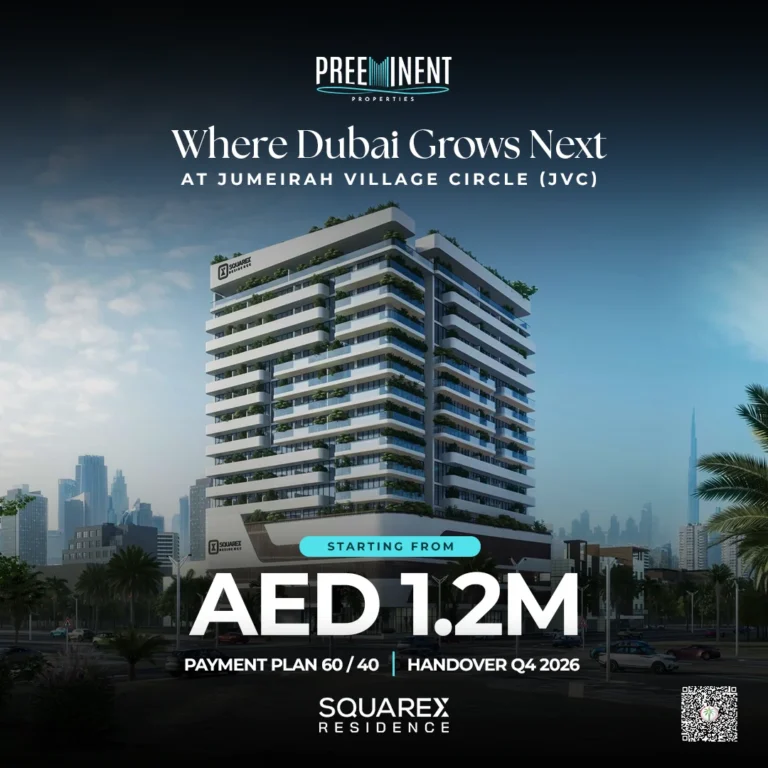
Jumeirah Village Circle (JVC) is an emerging neighborhood known for its affordable properties and community living. Its strategic location offers easy access to major highways, making it an attractive option for budget-conscious investors.
Strategies for Successful Property Investment in Dubai
Investing in Dubai real estate requires strategic planning and market awareness. Here are some key strategies to enhance your investment success.
Long-Term Vision
Adopting a long-term investment vision can yield significant returns in Dubai’s real estate market. As the city continues to develop and expand, property values are expected to appreciate, offering capital gains to patient investors.
Diversification
Diversifying your property portfolio across different types and locations can mitigate risks and maximize returns. Consider combining high-demand apartments for sale in Dubai with off-plan properties to balance immediate rental income with future growth potential.
Leveraging Technology
Utilizing technology in your investment strategy can provide a competitive edge. Tools such as virtual reality tours and real estate data analytics can enhance your property selection process and offer insights into market trends.
Networking and Professional Advice
Building a network of professionals, including real estate agents, legal advisors, and financial experts, can provide valuable insights and support. Their expertise can help navigate the complexities of the Dubai property market and facilitate informed decision-making.
In conclusion, the journey of buying property in Dubai is laden with opportunities for those who approach it with diligence and foresight. Whether you’re eyeing luxury villas in Dubai or seeking to capitalize on the burgeoning market of off-plan properties Dubai, understanding the nuances of this dynamic market is key. For personalized guidance on navigating the intricacies of Dubai’s real estate, contact Preeminent Properties today.
Investment Incentives and Opportunities in Dubai
Dubai’s strategic initiatives and government-backed incentives make it an appealing destination for real estate investors. These incentives are designed to attract foreign investment and stimulate economic growth.
Free Zones and Economic Benefits
Free zones in Dubai, such as Dubai Internet City and Dubai Media City, offer significant advantages for businesses and investors. These zones provide 100% foreign ownership, tax exemptions, and streamlined business regulations, making them ideal for commercial property investments. As more companies set up operations in these zones, the demand for both commercial and residential properties in the vicinity is likely to increase.
Residency by Investment
Investing in Dubai’s real estate can also open doors to residency opportunities. The UAE government offers residency visas for property investors, which can range from a short-term two-year visa to a long-term 10-year Golden Visa, depending on the amount invested. This initiative not only enhances the investor’s lifestyle but also adds a layer of security and stability to the investment.
Expo 2020 and Beyond
The Expo 2020, although postponed, has been a catalyst for infrastructure development in Dubai. The Expo is expected to attract millions of visitors and boost the demand for hospitality and residential sectors. Post-expo, the site will transform into District 2020, a tech-driven urban community, further enhancing real estate opportunities.
Sustainable Real Estate Development in Dubai
With global trends shifting towards sustainability, Dubai is embracing eco-friendly practices in real estate development. This shift not only benefits the environment but also enhances property value and marketability.
Eco-Friendly Building Practices
Developers in Dubai are increasingly adopting green building standards. Projects like The Sustainable City and Dubai Silicon Oasis incorporate solar panels, energy-efficient systems, and sustainable materials, reducing environmental impact and operational costs. These properties are becoming highly sought after by eco-conscious buyers and investors.
Smart City Initiatives
Dubai’s commitment to becoming a smart city aligns with its sustainable development goals. Initiatives include smart grid systems, waste management solutions, and water conservation technologies. Properties that integrate these smart solutions offer increased efficiency and appeal to tech-savvy investors.
Navigating Cultural and Market-Specific Challenges
Investing in Dubai requires an understanding of cultural nuances and market-specific challenges that can impact property transactions.
Cultural Sensitivity and Business Etiquette
Understanding local culture and business practices is crucial for successful real estate investments. Building relationships and trust with local partners and stakeholders can facilitate smoother transactions. Respect for traditions and adherence to local customs will also enhance business dealings and negotiations.
Regulatory Changes
Dubai’s real estate market is dynamic, with regulations evolving to accommodate growth and international standards. Staying informed about regulatory changes, such as shifts in property ownership laws or financing rules, is essential for investors. Legal counsel or a knowledgeable real estate agent can provide guidance on navigating these changes effectively.
Long-term Market Outlook for Dubai Real Estate
The future of Dubai’s real estate market appears promising, with several factors indicating sustained growth and investment potential.
Strategic Vision 2040
Dubai’s Urban Master Plan 2040 outlines a strategic vision for sustainable urban development. The plan emphasizes increasing green spaces, enhancing mobility, and ensuring the efficient use of resources. This vision supports long-term property value appreciation, making it an attractive proposition for investors looking for stable returns.
Technological Advancements
The integration of technology in real estate, from blockchain to AI-driven analytics, is reshaping the market landscape. Investors who leverage these technologies can gain insights into market trends, optimize property management, and enhance investment strategies.
Economic Diversification
Dubai’s efforts to diversify its economy beyond oil have bolstered its real estate market. Sectors like tourism, finance, and tech are thriving, driving demand for both residential and commercial properties. As the city continues to innovate and expand its economic base, the real estate sector is poised for growth, offering lucrative opportunities for savvy investors.