

The allure of Dubai as a global property market is undeniable. With its futuristic skyline and booming economy, Dubai continues to attract investors from around the world. In 2026, understanding emerging neighborhoods can lead to lucrative investments, offering buyers opportunities to maximize their returns.
What Makes Emerging Neighborhoods Attractive for Buyers?
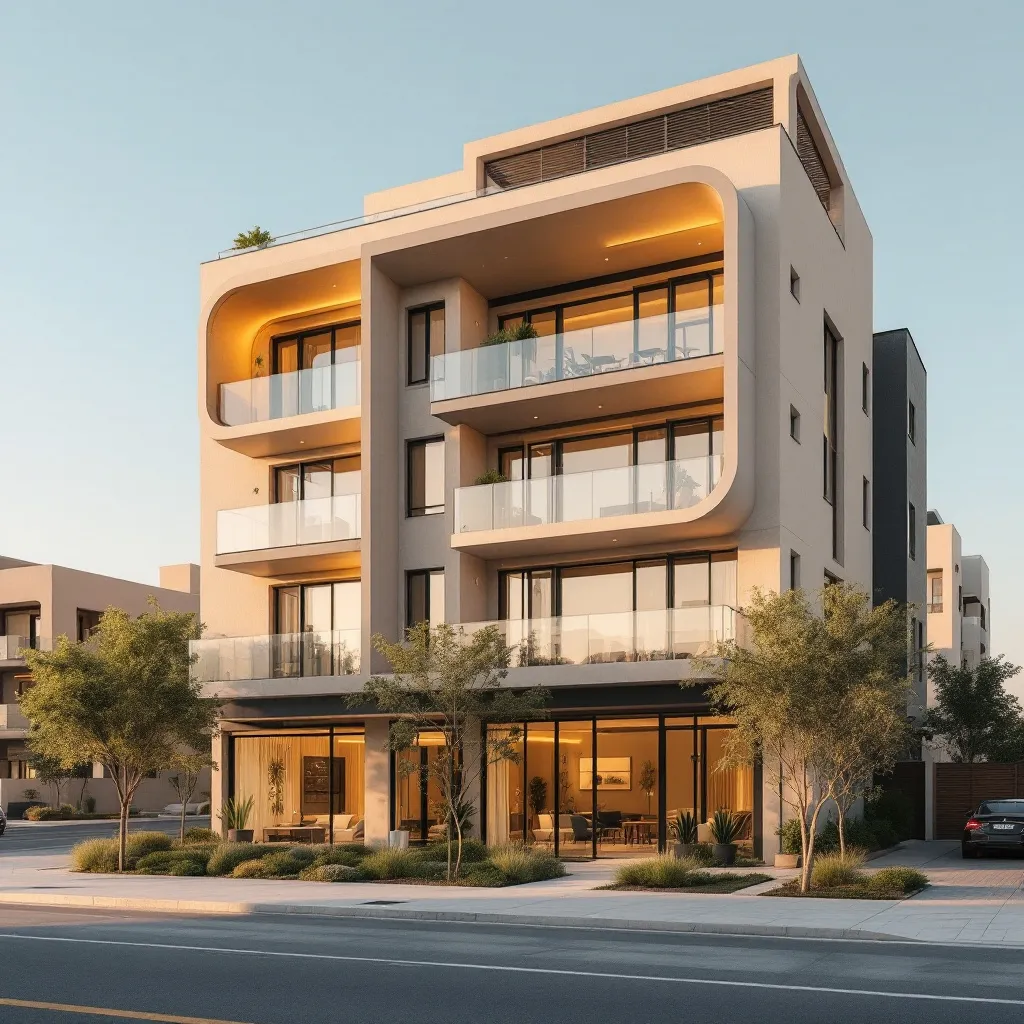
Emerging neighborhoods in Dubai present a unique allure for property buyers. One of the primary attractions is the lower initial prices they often offer compared to already established areas. This makes them more accessible to a broader range of investors.
Moreover, these areas are typically on the brink of development, promising a future appreciation in property values. The rapid improvement in access to modern amenities and infrastructure only adds to their charm. But what exactly makes them so appealing?
Firstly, these neighborhoods provide potential for significant capital growth. As urban development continues, the demand for properties in these areas is expected to rise, leading to an increase in property values. Secondly, the lifestyle promises of these areas-ranging from waterfront views to community-centric environments-are becoming a major draw for buyers.
Top Emerging Neighborhoods for Buying Property in Dubai
Dubai’s property landscape is ever-evolving, with several neighborhoods poised to become the next hot spots for real estate investment. Among these, Dubai Creek Harbour stands out, offering a luxurious waterfront lifestyle and extensive retail spaces. It’s rapidly gaining popularity among both local and international investors.
Another noteworthy area is Dubai South, which is set to become a major hub due to its strategic location and the legacy of Expo 2020. As the infrastructure continues to develop, the area promises strong returns for investors.
Lastly, Jumeirah Village Circle (JVC) offers affordable options with a strong community vibe, making it particularly attractive for families and young professionals looking for apartments or villas.
💡 Need personalized guidance?
Comparison of Key Emerging Neighborhoods
How to Navigate the Dubai Real Estate Market?
The Dubai real estate market can be complex, but with the right guidance, it offers immense potential. One of the most effective strategies is to work with a trusted real estate agent who is familiar with the local market. These professionals can provide invaluable insights and assist you in making informed decisions.
Additionally, staying abreast of market trends is crucial. Understanding pricing and demand dynamics can help you identify the best time to buy. Considering off-plan properties in Dubai can also offer better investment potential, as they are typically priced lower than completed properties and may offer substantial returns upon completion.
What to Look for in Apartments and Villas for Sale in Dubai?
When purchasing apartments for sale in Dubai or villas for sale, it’s essential to evaluate several key factors. Start by assessing the quality of construction and the reputation of the developer. This can significantly impact the property’s durability and potential issues down the line.
Next, check for amenities that enhance the living experience. Modern facilities such as gyms, pools, and community spaces can increase the value of the property. Additionally, consider the potential for rental yields and capital appreciation to ensure a sound investment.
Frequently Asked Questions
What are the costs involved in buying property in Dubai?
When buying property in Dubai, consider the 4% Dubai Land Department (DLD) fee, 2% agent’s commission, and an additional budget for miscellaneous costs.
How can I finance my property purchase in Dubai?
Explore mortgage options available for both expats and locals, as many banks offer competitive rates.
Is it safe to invest in off-plan properties in Dubai?
Yes, provided you research the developer’s track record and project timelines thoroughly.
What are the legal requirements for buying property in Dubai?
Foreign buyers can purchase full ownership properties in designated freehold areas without requiring a visa, as per the Real Property Law.
How to choose a real estate agent in Dubai?
Look for agents with local expertise, positive reviews, and who are registered with the Real Estate Regulatory Authority (RERA).
What are the benefits of buying property in emerging neighborhoods?
These neighborhoods offer potential for higher returns and lower entry costs compared to established areas.
Key Figures in Dubai Real Estate
Dubai’s real estate market is thriving, with an average property price growth of 5-10% annually, particularly in emerging areas. Over 1 million new residents are projected by 2030, increasing the demand for housing (Source: Wise). Moreover, Dubai’s real estate market is valued at $300 billion, highlighting the scale of investment opportunities (Source: GuestReady).
Understanding Dubai Property Laws and Regulations
Navigating the legal landscape of buying property in Dubai requires familiarity with local laws and regulations. Dubai’s property market is open to both locals and foreigners, thanks to the Freehold Law passed in 2002, which allows foreign nationals to purchase, sell, and rent property within designated areas.
Understanding the different types of property ownership available is crucial. These include freehold properties, which allow full ownership rights over the property and land, and leasehold properties, where the ownership is limited to a specific period, typically up to 99 years. It’s essential to ensure that any property you consider is located within an approved freehold zone.
Additionally, the Dubai Land Department (DLD) plays a vital role in the property transaction process. The DLD oversees the registration of all property transactions and ensures compliance with local laws. Buyers must be prepared to pay a 4% registration fee to the DLD when transferring property ownership.
To avoid potential pitfalls, it’s advisable to engage a legal expert familiar with Dubai’s real estate laws. They can help ensure that all contracts are properly drafted and that your interests are protected throughout the transaction.
Exploring the Benefits of Off-Plan Properties in Dubai
Off-plan properties in Dubai offer a unique investment opportunity, especially in emerging neighborhoods. These are properties that are sold by developers while still in the planning or construction phase. Investing in off-plan properties can be advantageous for several reasons.
Firstly, off-plan properties are often sold at prices lower than completed properties, providing a more affordable entry point into the market. Additionally, developers may offer flexible payment plans, allowing investors to stagger payments over the construction period. This can ease the financial burden and provide more accessible investment options.
Another significant benefit is the potential for capital appreciation. As the property progresses toward completion, its value typically increases, offering investors the opportunity to sell at a profit upon completion. This is especially true in rapidly developing areas where demand is on the rise.
However, investing in off-plan properties does come with risks. It’s crucial to conduct due diligence on the developer’s reputation and the project’s feasibility. Ensuring that the developer has a proven track record of delivering projects on time and to high standards can mitigate some of these risks.
Best Practices for Investing in Off-Plan Properties
- Research the Developer: Look into the developer’s past projects and delivery timelines.
- Review Payment Plans: Understand the terms and ensure they align with your financial capabilities.
- Visit the Construction Site: If possible, visit the site to gauge progress and infrastructure.
- Consult a Real Estate Expert: Seek advice from professionals who can provide insights and recommendations.
Analyzing the Return on Investment in Dubai Real Estate
The potential for high returns is a key driver for investors looking at the Dubai property market. Several factors contribute to the return on investment (ROI) that Dubai real estate can offer.
Firstly, Dubai’s strategic location acts as a gateway between Europe, Asia, and Africa, attracting a diverse population and fostering a dynamic business environment. This, in turn, creates a strong demand for residential and commercial properties.
The absence of property taxes is another significant advantage. Investors can enjoy rental income without the burden of additional taxes. Moreover, the local economy’s continuous growth supports property value appreciation, making Dubai an attractive long-term investment destination.
For example, areas like Downtown Dubai and Palm Jumeirah have shown consistent rental yields, often exceeding 5-6% annually, making them attractive for investors seeking steady income. However, it’s essential to note that ROI can vary significantly based on location, property type, and market conditions.
Investors should carefully analyze market trends, assess local demand, and consider factors such as proximity to key business districts and amenities when evaluating potential investments.
Tips for Maximizing ROI in Dubai Real Estate
- Choose High-Demand Areas: Focus on locations with robust rental demand and high occupancy rates.
- Consider Property Upgrades: Enhancements can increase rental yields and property value.
- Stay Informed on Market Trends: Regularly update your knowledge on real estate trends and forecasts.
- Hire Professional Property Managers: They can optimize rental income and maintain the property’s value.
Navigating the Buying Process in Dubai
Understanding the step-by-step process of purchasing property in Dubai is crucial to ensure a smooth transaction. The buying process typically begins with property selection. Once you’ve identified a property that meets your criteria, the next step is negotiating the price with the seller or developer.
Upon agreeing on terms, a Memorandum of Understanding (MOU) is drafted, outlining the sale conditions. Both parties sign the MOU, and a deposit, usually 10% of the property value, is paid to secure the purchase.
The next phase involves obtaining a No Objection Certificate (NOC) from the developer, confirming that there are no outstanding fees or obligations on the property. Following this, the transaction is registered with the Dubai Land Department (DLD), and the buyer pays the necessary fees to complete the ownership transfer.
It’s important to engage a reliable real estate agent and a legal advisor to guide you through these steps, ensuring compliance with all legal requirements and safeguarding your interests.
Common Challenges in the Buying Process and How to Overcome Them
- Delays in NOC Approval: Work with a proactive agent to expedite the process.
- Unexpected Costs: Ensure transparency on all fees and budget accordingly.
- Legal Complexities: Hire an experienced legal advisor to navigate the legal framework.
- Financing Issues: Secure pre-approval for loans to streamline the purchasing process.
Future Outlook for Dubai Real Estate Market
Dubai’s real estate market continues to show promising signs of growth and resilience. As the city emerges from global economic challenges with strategic initiatives, the future outlook remains positive. The government’s investment in infrastructure and smart city projects is set to enhance the city’s appeal further.
Additionally, the upcoming developments in areas like Dubai Creek Harbour and Dubai South are expected to drive demand in these regions. With the Expo 2020 legacy projects still unfolding, the city’s international profile is poised to strengthen, attracting more investors and residents.
Furthermore, Dubai’s focus on sustainability is reshaping the property landscape. Green buildings and energy-efficient developments are gaining traction, aligning with the global shift towards sustainable living. Investors keen on eco-friendly properties will find Dubai’s market increasingly attractive.
Overall, strategic investments and an adaptive approach will be key to capitalizing on Dubai’s continued growth and the myriad opportunities it presents.
Sustainable Living and Green Properties in Dubai
As global awareness of environmental issues grows, Dubai is positioning itself as a leader in sustainable urban development. The city’s commitment to sustainability is evident in its increasing number of green properties and eco-friendly developments. These properties are designed to reduce environmental impact and offer long-term savings for residents.
One example is the Dubai Sustainable City, a community that showcases eco-friendly living through its energy-efficient homes, solar panels, and waste recycling systems. Properties in this area not only appeal to environmentally conscious investors but also promise reduced utility costs and a healthier living environment.
Investors looking to capitalize on this trend should prioritize properties with green certifications. These certifications ensure that the building meets specific environmental standards, which can enhance the property’s value and appeal to a growing demographic of eco-conscious buyers.
Benefits of Investing in Green Properties
- Lower Utility Costs: Energy-efficient designs reduce electricity and water bills.
- Healthier Living Environment: Improved air quality and natural light contribute to better well-being.
- Higher Resale Value: Growing demand for sustainable living solutions can increase property appreciation.
- Government Incentives: There may be financial benefits available for investing in sustainable properties.
Strategic Tips for New Investors in Dubai Real Estate
Entering the Dubai real estate market can be daunting for new investors, but with the right strategies, it can become a rewarding venture. Here are some practical tips to help new investors make informed decisions and maximize their returns:
Understanding Market Cycles
Every real estate market experiences cycles of growth, stability, and decline. Understanding these cycles can help investors time their purchases to align with favorable market conditions. In Dubai, the market is currently in a growth phase, driven by infrastructure development and increased demand.
Diversifying Your Property Portfolio
Diversification is a key strategy for managing risk in real estate. Instead of concentrating investments in a single type of property or neighborhood, consider spreading your investments across different areas and property types, such as apartments, villas, and commercial spaces. This approach can mitigate risks and provide more stable returns.
Leveraging Expert Advice and Local Knowledge
Working with local real estate experts who have a deep understanding of the Dubai market can be invaluable. These professionals can offer insights into emerging trends, guide you through the legal landscape, and help identify the most promising investment opportunities.
By following these strategies, new investors can navigate the complexities of the Dubai real estate market with confidence, ensuring a successful entry into one of the world’s most dynamic property markets.
Emerging Trends and Technologies in Dubai Real Estate
Dubai’s real estate market is not only expanding in terms of physical infrastructure but also embracing new technologies and trends that are shaping the future of property investment. These trends are revolutionizing how investors approach the market and manage their portfolios.
Smart Home Technologies
Smart homes are increasingly becoming the norm in Dubai, with properties equipped with the latest technology to enhance living standards. From automated lighting and climate control to advanced security systems, these features not only provide convenience but also increase property value.
Investors should consider properties that integrate these technologies as they appeal to tech-savvy tenants and offer long-term savings on utilities.
Virtual Reality and Augmented Reality
Virtual Reality (VR) and Augmented Reality (AR) are transforming the property viewing experience. Potential buyers can now take virtual tours of properties from anywhere in the world, providing a detailed look at the property without the need for physical travel.
This technology allows investors to better assess off-plan properties and is particularly beneficial for international buyers, offering a clear sense of space and design.
Blockchain and Real Estate Transactions
Blockchain technology is being explored for its potential to streamline real estate transactions. By providing a secure and transparent way to record property deals, blockchain can reduce the time and costs associated with buying and selling property.
As this technology matures, it is expected to become a key component of real estate operations in Dubai, offering enhanced security and efficiency for investors.
Conclusion
Investing in Dubai’s emerging neighborhoods can yield substantial returns for savvy investors. The key is to stay informed and work with professionals who can help you navigate the market effectively.
Trakheesi – Dubai Land Department
Scannez ce QR code pour vérifier la validation