

Buying property in Dubai can be an exhilarating journey, filled with possibilities. With its booming real estate market and vibrant lifestyle, Dubai offers a unique opportunity for investors and homebuyers alike. This article will guide you through the essential steps and tips to navigate the Dubai property market, ensuring you make informed decisions and capitalize on the thriving opportunities available in 2026.
What Steps Should You Follow When Buying Property in Dubai?
The first step in buying property in Dubai is to thoroughly research the Dubai real estate market. This involves understanding current trends, property types, and the legal landscape. Whether you’re interested in apartments for sale in Dubai or luxurious villas, having a clear picture of the market dynamics will help you make informed choices.
If you’re planning to finance your purchase, securing a mortgage pre-approval is crucial. This not only provides a clear budget but also strengthens your negotiating position. Engaging with a local real estate agent can be invaluable. They can help you find the best properties, negotiate deals, and navigate the complexities of the buying process.
Apartments for Sale in Dubai: What Are Your Options?
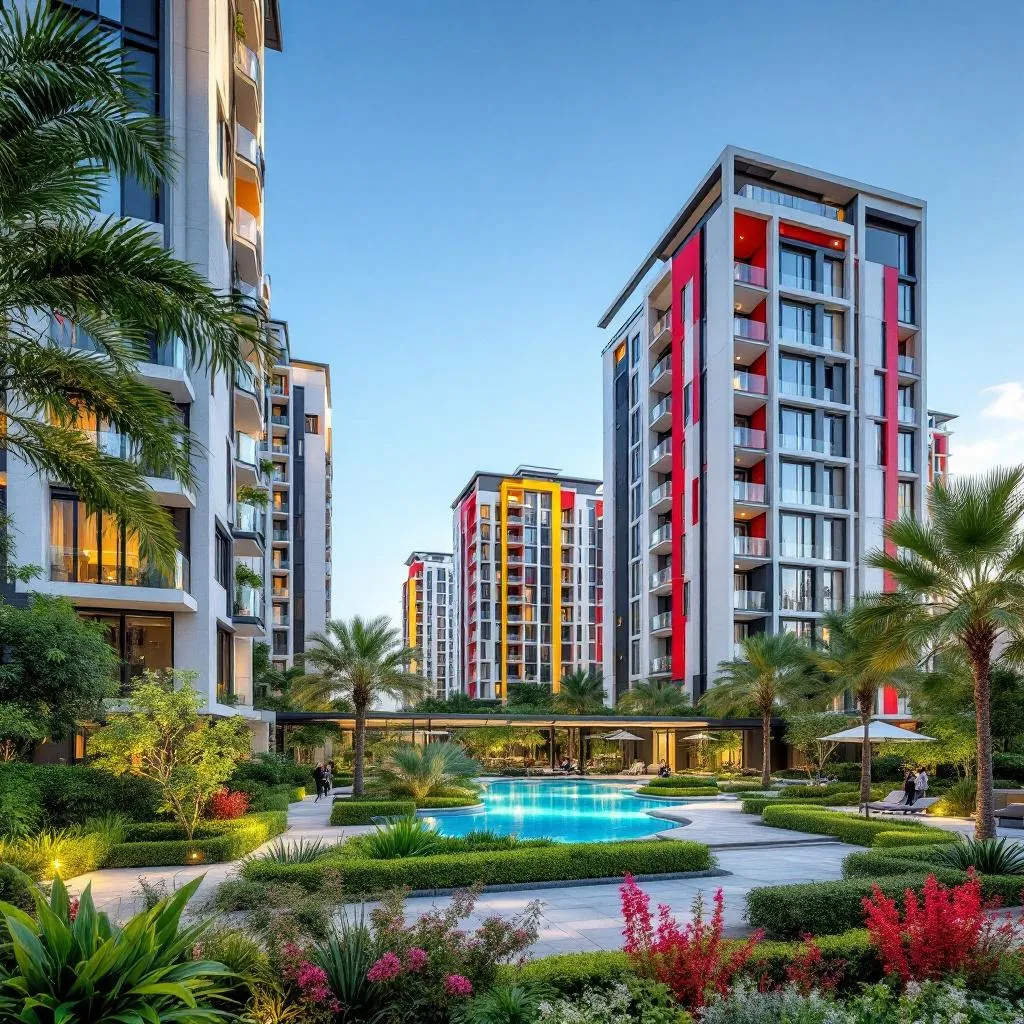
Dubai offers a diverse range of apartments, from luxury high-rises in Downtown Dubai to more affordable options in neighborhoods like Jumeirah Village Circle. Each complex comes with its own set of amenities such as pools, gyms, and enhanced security features, appealing to a variety of preferences and budgets.
When selecting an apartment, consider the neighborhood’s proximity to essential services like schools, malls, and public transportation. Locations like Dubai Marina are popular for their vibrant lifestyle and convenience, making them a top choice for many buyers.
💡 Need personalized guidance?
Villas for Sale in Dubai: A Family-Friendly Investment?
Owning a villa in Dubai is particularly appealing for families seeking more space and privacy. Villas offer various styles and sizes, catering to diverse lifestyle needs. Communities such as Arabian Ranches and Palm Jumeirah provide exclusive perks for villa owners, including private gardens, community centers, and recreational facilities.
The family-friendly nature of villas, combined with Dubai’s vibrant culture and international schools, makes purchasing a villa a sound investment for those looking to settle in a community-oriented environment.
What Are Off-Plan Properties in Dubai?
Off-plan properties in Dubai are homes sold before they are completed, often at lower prices compared to ready properties. These projects usually feature modern designs and offer flexible payment plans, making them attractive to investors and homebuyers alike.
However, it’s important to be aware of the potential risks involved, such as construction delays or changes in market conditions. Nevertheless, the potential for capital gains upon project completion can be significant, rewarding those willing to take the calculated risk.
Dubai Real Estate Investment: Is It Worth It?
Investing in Dubai real estate can be highly rewarding, thanks to benefits such as tax-free income and strong market growth. With an average property price growth of 10% expected in 2026, the market remains attractive for investors (Source: Realtor.com).
Consider the neighborhood’s growth potential and align your investment goals with the right property type. Whether you’re looking for apartments for sale in Dubai or exploring off-plan properties Dubai, making a well-informed decision is key to maximizing your returns.
Frequently Asked Questions
What are the costs involved in buying property in Dubai?
When buying property in Dubai, be prepared for additional fees like a 4% Dubai Land Department fee, a 2% agent’s commission, and other miscellaneous costs, which can total up to 2% (Source: Reddit).
Is foreign ownership allowed in Dubai real estate?
Yes, foreigners can buy property in Dubai, particularly in designated freehold areas, without special permissions (Source: Wise).
How does the mortgage process work for expats in Dubai?
Expatriates can obtain mortgages but typically require a larger deposit, often up to 25% of the property’s value, making financial planning essential (Source: Wise).
What is the role of a real estate agent in Dubai?
Real estate agents assist with property searches, negotiations, and the completion of necessary paperwork, ensuring a smooth buying process (Source: Wise).
What documents do I need to buy property in Dubai?
You will need to prepare your passport, residency visa, and proof of income to buy property in Dubai, facilitating the transaction process (Source: Wise).
Can you finance off-plan properties in Dubai?
Yes, many developers offer tailored financing options for off-plan properties in Dubai, making them accessible to a broader range of buyers (Source: Wise).
Key Figures in Dubai Real Estate
Average property price growth of 10% in 2026, indicating a thriving market for investors (Source: Realtor.com).
Over 30% of transactions are made by foreign buyers, reflecting Dubai’s international appeal (Source: Wise).
More than 100,000 new apartments expected in 2026, aiming to meet rising demand (Source: Wise).
Rental yields averaging 7% in popular districts, making it an attractive market for landlords (Source: Wise).
Legal Considerations When Buying Property in Dubai
Before diving into the Dubai real estate market, understanding the legal framework is crucial. Dubai has specific regulations that govern real estate transactions, particularly for foreign buyers. The 2002 Freehold Law opened up opportunities for foreigners to purchase property in certain areas, known as freehold zones. These include popular districts such as Dubai Marina, Downtown Dubai, and Jumeirah Lake Towers.
When buying property, you need to pay a registration fee to the Dubai Land Department, which is typically 4% of the property’s purchase price. It’s also essential to ensure that any real estate agent you work with is registered with the Real Estate Regulatory Authority (RERA). This ensures that they adhere to local laws and provide reliable services.
Understanding Freehold and Leasehold Properties
In Dubai, properties are categorized as either freehold or leasehold. Freehold properties are those where the buyer owns the property and the land it is built on. This ownership is perpetual, and the property can be sold, leased, or inherited at the owner’s discretion. In contrast, leasehold properties are typically leased for a long term, often up to 99 years, after which ownership reverts back to the freeholder. This type of ownership is more common for commercial properties.
It’s important to weigh the pros and cons of each type. Freehold properties offer more control and long-term security, while leasehold properties may be more affordable initially but can involve ongoing lease payments.
Navigating the Mortgage Landscape in Dubai
Financing your property purchase in Dubai often involves securing a mortgage, particularly for expatriates and foreign investors. The mortgage market in Dubai is competitive, with many banks and financial institutions offering a variety of products tailored to different needs.
Getting Pre-Approved for a Mortgage
Before you start property hunting, obtaining a mortgage pre-approval is advisable. This process involves the bank assessing your financial situation and determining how much they are willing to lend you. Pre-approval not only gives you a clear budget to work with but also shows sellers that you’re a serious buyer. Most banks in Dubai require a down payment of at least 20-25% for expatriates, so it’s crucial to have these funds readily available.
Comparing Mortgage Options
When choosing a mortgage, compare interest rates, repayment terms, and any additional fees. Fixed-rate mortgages offer stability with predictable payments, while variable-rate mortgages can fluctuate with market conditions, potentially leading to lower initial payments but higher costs if rates rise. Consulting with a mortgage advisor can help you understand the pros and cons of different mortgage types and choose the best option for your financial situation.
Choosing the Right Neighborhood in Dubai
Dubai’s diverse neighborhoods offer a range of lifestyle options, each with its own unique character and amenities. Whether you’re looking for bustling city life or a peaceful suburban environment, there’s a neighborhood to suit every preference.
Popular Neighborhoods for Apartments
For those interested in apartments for sale in Dubai, areas like Dubai Marina, Downtown Dubai, and Business Bay are popular choices. These locations are known for their high-rise luxury apartments, vibrant nightlife, and proximity to business districts. They offer a cosmopolitan lifestyle with easy access to leisure and entertainment options.
Ideal Areas for Family Villas
If you’re considering villas for sale in Dubai, neighborhoods such as Arabian Ranches, Jumeirah Islands, and The Springs are renowned for their family-friendly atmosphere. These communities offer spacious homes, communal parks, and access to high-quality schools, making them ideal for families looking for a serene environment to raise children.
Investment Strategies for Dubai Real Estate
Investing in Dubai real estate requires a strategic approach to maximize returns and minimize risks. Whether you’re a seasoned investor or a first-time buyer, understanding the market dynamics and aligning your strategy with market conditions is essential.
Long-Term vs. Short-Term Investment
Deciding between a long-term or short-term investment in Dubai’s real estate market depends on your financial goals. Long-term investments, such as purchasing family villas, can offer stable rental income and potential appreciation over time. On the other hand, short-term investments, like flipping off-plan properties Dubai, can yield quicker profits but come with higher risks and require more market knowledge.
Diversifying Your Property Portfolio
To mitigate risks, consider diversifying your property portfolio. This could involve investing in different property types, such as a mix of apartments, villas, and commercial spaces. Additionally, exploring various locations within Dubai can help spread risk and increase exposure to different market segments. Areas like Dubai Silicon Oasis and Al Barsha are emerging as attractive options for savvy investors looking for growth potential and affordable prices.
Common Mistakes to Avoid When Buying Property in Dubai
While the prospect of buying property in Dubai is exciting, it’s important to avoid common pitfalls that can hinder your investment’s success. Here are some mistakes to watch out for:
Underestimating Additional Costs
Many buyers overlook the additional costs associated with purchasing property in Dubai. Aside from the purchase price, you’ll need to budget for fees such as property registration, maintenance, and agency commissions. It’s essential to factor these costs into your budget to avoid any financial surprises.
Neglecting Due Diligence
Performing thorough due diligence is crucial when buying property in Dubai. This includes verifying the developer’s reputation, checking the property’s legal status, and ensuring there are no outstanding debts or disputes associated with the property. Engaging a real estate lawyer can help you navigate these complexities and ensure a smooth transaction.
Ignoring Market Trends
Staying informed about real estate market trends Dubai is vital for making informed decisions. Market conditions can change rapidly, impacting property values and rental yields. Regularly reviewing market reports and consulting with real estate experts can help you anticipate changes and adjust your strategy accordingly.
The Future of Dubai Real Estate: Trends and Predictions
The future of Dubai’s real estate market looks promising, with several key trends shaping its trajectory. Understanding these trends can help investors and homebuyers position themselves strategically.
Sustainable and Smart Developments
Dubai is increasingly focusing on sustainable and technologically advanced developments. Projects that incorporate eco-friendly designs, smart home technologies, and energy-efficient systems are gaining popularity. These features not only appeal to environmentally conscious buyers but also offer long-term cost savings and increased property value.
Growth in Affordable Housing
To address the growing demand for affordable housing, Dubai is expanding its range of budget-friendly properties. Initiatives to develop affordable housing units aim to make the city more accessible to a broader population, including middle-income families and young professionals. Areas like International City and Jumeirah Village Circle are leading this trend, offering value for money without compromising on quality.
Increased Foreign Investment
Dubai continues to attract significant foreign investment, driven by favorable tax policies, a stable political environment, and its strategic location as a global hub. The ongoing development of infrastructure and new residential projects further enhances Dubai’s appeal to international investors seeking lucrative opportunities in the real estate market.
Navigating Legal Regulations When Buying Property in Dubai
Understanding the legal framework is essential when buying property in Dubai. The emirate has established regulations to ensure transparency and fairness in real estate transactions. As a buyer, familiarizing yourself with these laws can prevent potential legal pitfalls.
Understanding Freehold Zones
Dubai designates certain areas as freehold zones where foreigners can purchase property outright. These zones include popular areas like Dubai Marina, Downtown Dubai, and Jumeirah Lake Towers. Investing in these areas provides full ownership rights, allowing you to lease, sell, or inherit the property.
However, it’s crucial to verify the zoning status of a property before purchase. Consulting with a legal expert can ensure that your investment is protected and compliant with local regulations.
Importance of Title Deeds
Upon purchasing a property, obtaining a title deed from the Dubai Land Department is crucial. This document serves as proof of ownership and is necessary for any future transactions involving the property. Ensure that the title deed accurately reflects your ownership details to avoid any disputes.
Working with a reputable real estate agent or lawyer can facilitate the process, ensuring that all paperwork is properly handled and filed with the appropriate authorities.
Tips for First-Time Property Buyers in Dubai
For first-time buyers, navigating the Dubai real estate market can be daunting. Here are some practical tips to help you get started:
Set a Realistic Budget
Before embarking on your property search, establish a clear and realistic budget. Consider all associated costs, including down payments, registration fees, and potential renovation expenses. This will help you narrow down your options and prevent financial strain.
Visit Potential Properties
Photos and virtual tours can provide an overview, but nothing beats visiting a property in person. Schedule visits to shortlisted properties to get a feel for the space, check the quality of construction, and assess the surrounding neighborhood. This hands-on approach can reveal details that may influence your decision.
By equipping yourself with knowledge and taking a strategic approach, you can successfully navigate the real estate landscape and make a sound investment in one of the world’s most dynamic cities.
Conclusion
Buying property in Dubai can be a rewarding investment with the right approach. By considering your options carefully and consulting with professionals, you can make informed decisions that align with your financial goals. Whether you’re drawn to luxury apartments in Dubai or family villas in Dubai, the opportunities are vast and promising in 2026.