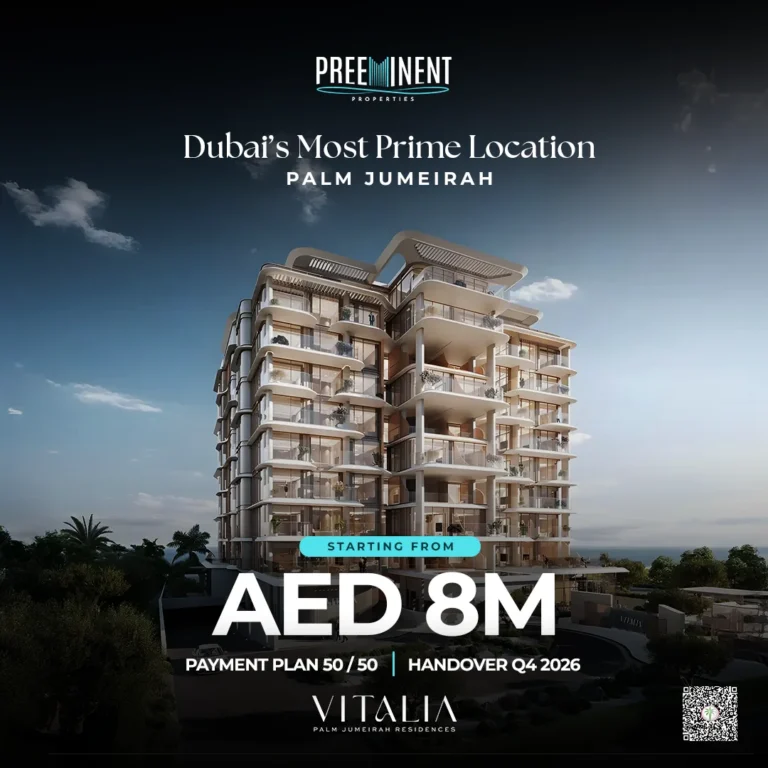
Discovering Asian Real Estate Investment in Dubai
The allure of Dubai as a prime investment destination continues to captivate investors from around the globe. With its strategic location, thriving economy, and world-class infrastructure, Dubai stands as a beacon for real estate investments, particularly for Asian investors. The city is a melting pot of cultures and commerce, offering enormous potential for property investment. Recent trends indicate a surge in Asian real estate investment in Dubai, driven by tax benefits, luxury property demands, and a robust market.
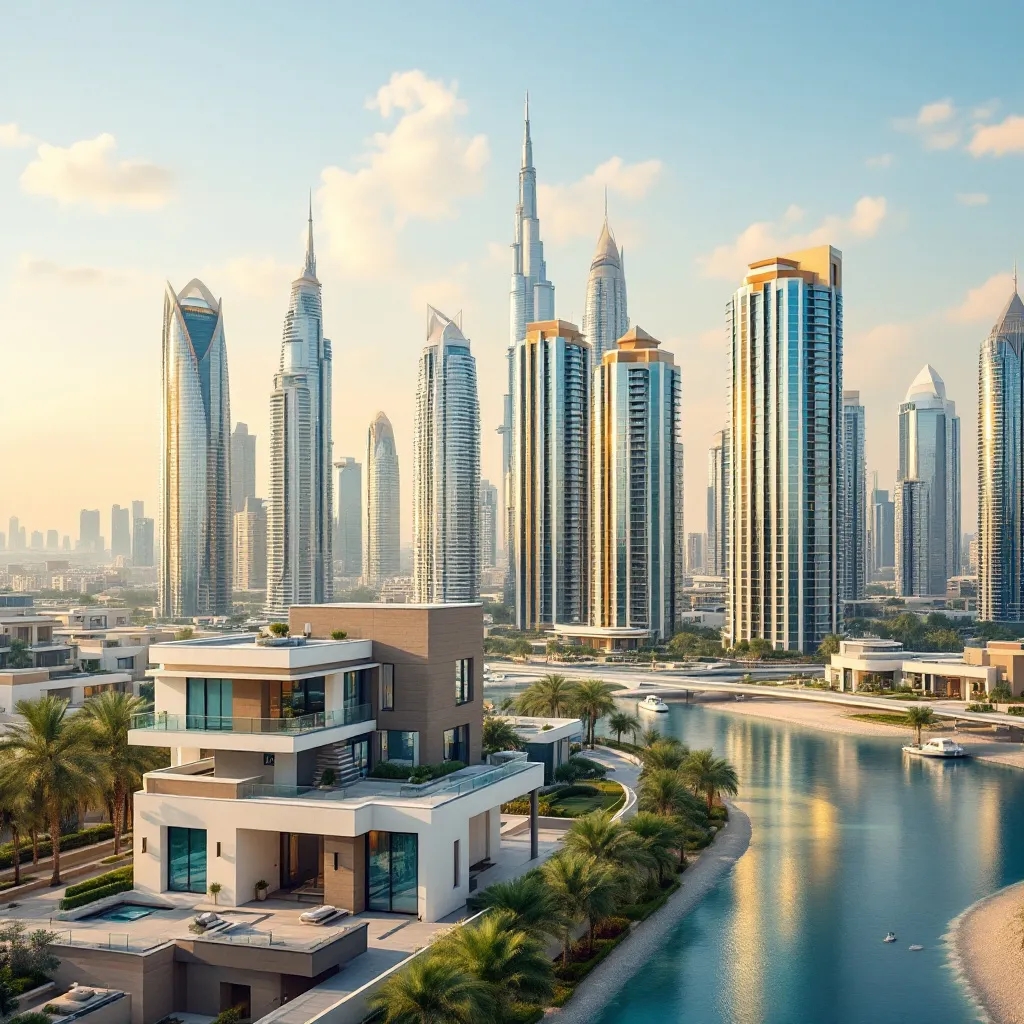
What Makes Dubai a Hotspot for Asian Investors?
Dubai’s strategic location serves as a gateway between the East and the West, making it an attractive hub for business and investment. The city’s position facilitates trade and connectivity, appealing to Asian investors looking for international diversification. Moreover, Dubai offers significant tax benefits, with no property taxes, which is a considerable advantage for foreign investors seeking to maximize their returns. The demand for luxury properties has been soaring among Asian buyers, drawn by Dubai’s opulent lifestyle and high-quality real estate offerings.
Exploring Apartments for Sale in Dubai
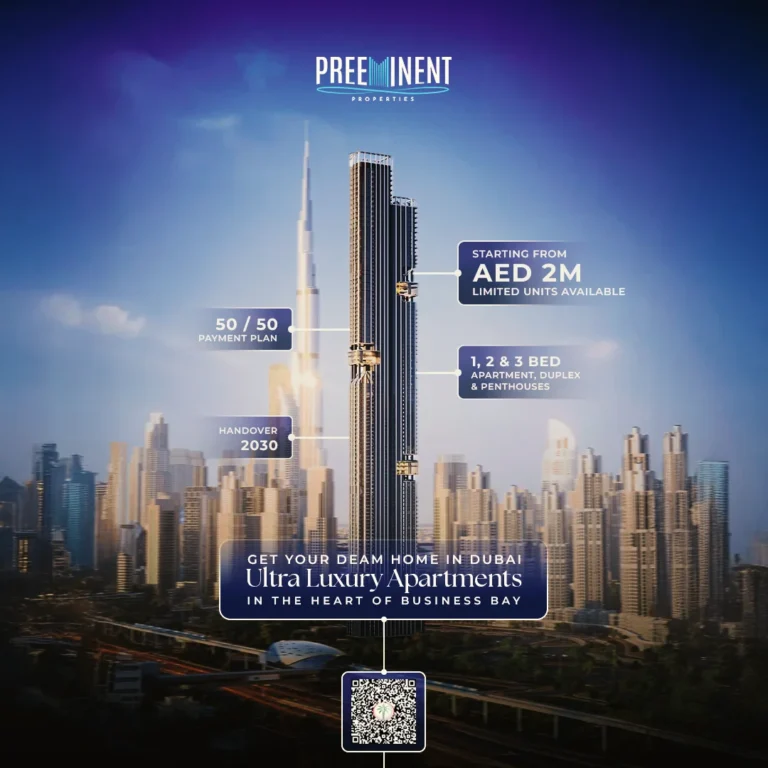
Dubai’s real estate market offers a diverse range of apartments, from luxury penthouses to affordable studios. The market trends show a steady increase in both luxury and affordable apartment sales, driven by the city’s continuous growth and development. Investing in apartments in Dubai presents a lucrative opportunity, with rental yields ranging from 6% to 8%, as reported by various real estate studies. Whether you’re looking for a high-end apartment or an entry-level unit, there’s a wealth of options available in the vibrant neighborhoods of Dubai.
💡 Need personalized guidance?
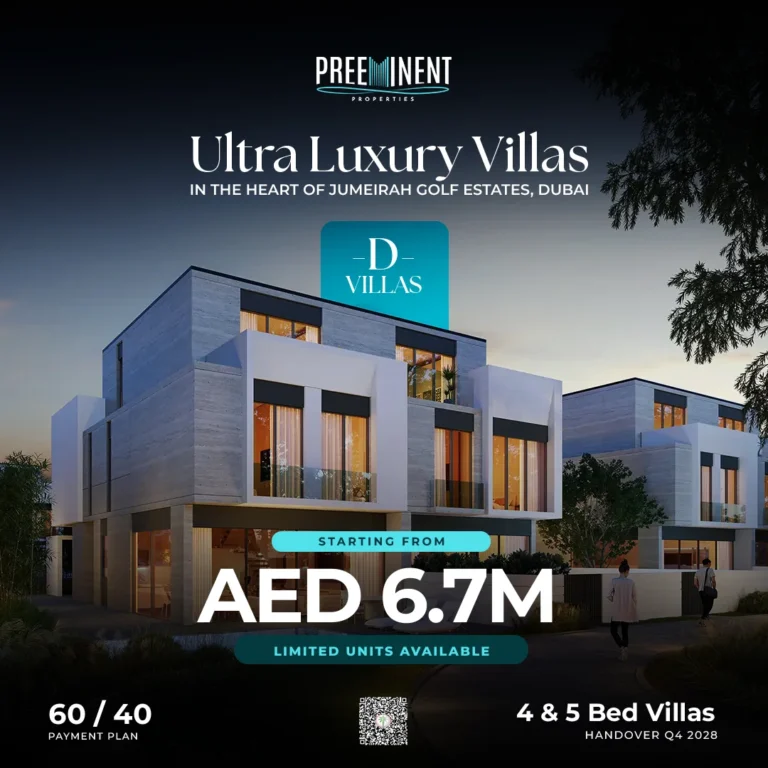
Why Villas for Sale in Dubai Are Attractive Investments?
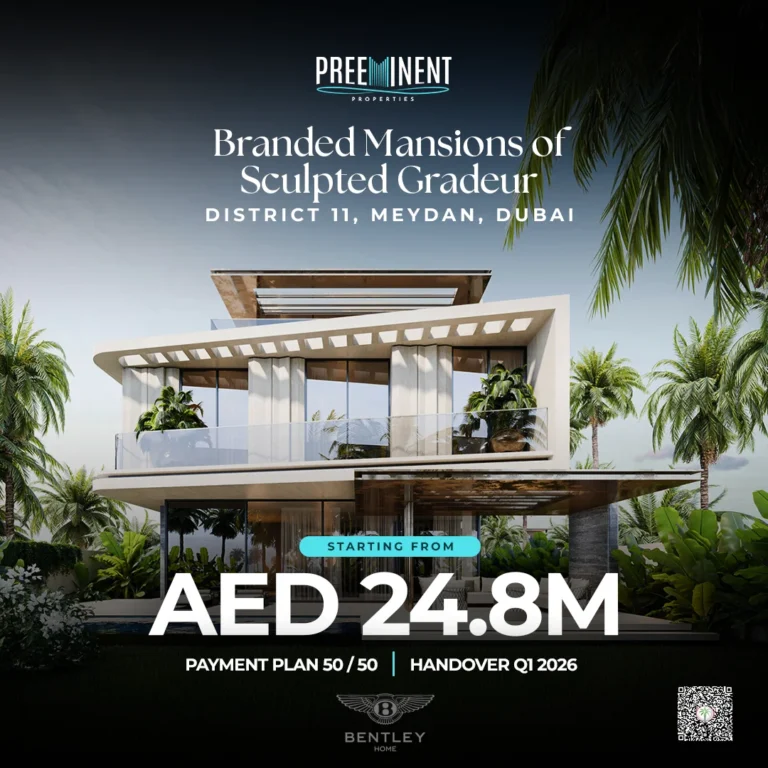
Luxury villas in Dubai are highly sought after by affluent Asian investors who value privacy, space, and opulence. Villas offer a different lifestyle compared to apartments, with spacious layouts and private amenities. While villa prices are generally higher than apartments, they offer long-term value and lifestyle benefits that many investors find appealing. Investing in a villa can also provide a stable rental income, albeit with a slightly lower yield compared to apartments, typically ranging from 5% to 7%.

Understanding Off-Plan Properties in Dubai
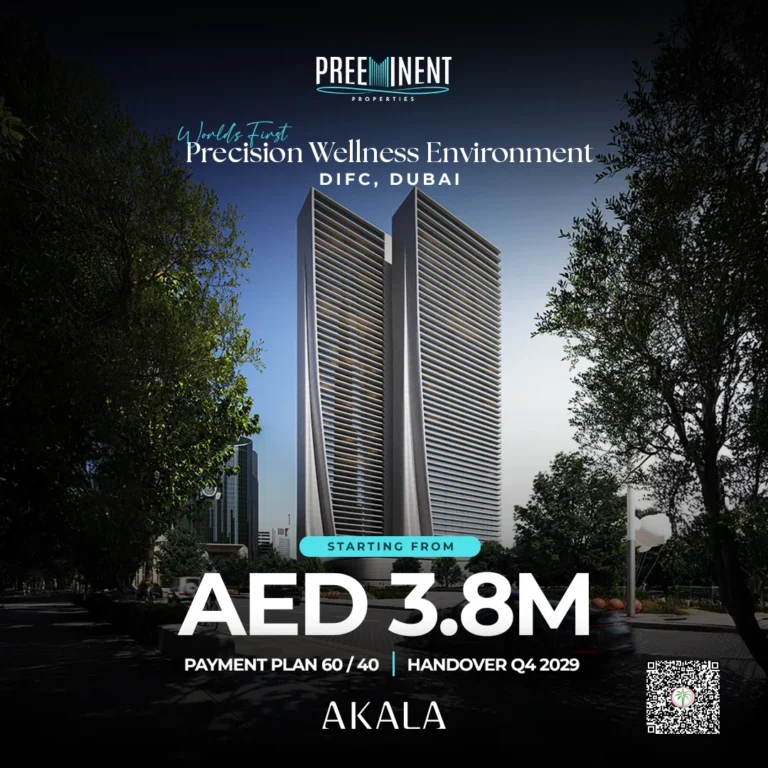
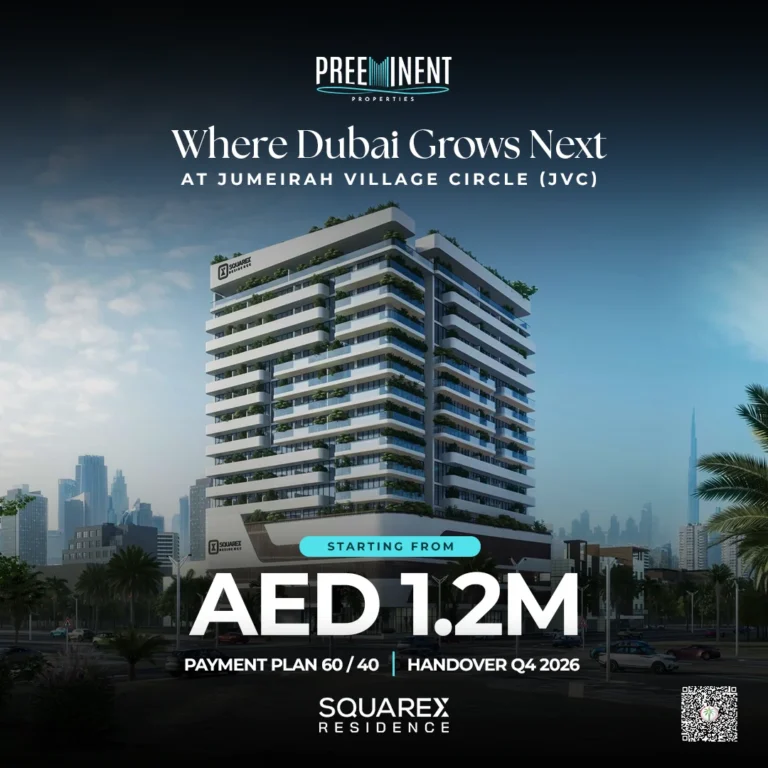
Off-plan properties are those that are purchased before they are completed. These investments offer several advantages, such as lower initial costs and the potential for capital appreciation upon completion. In 2026, several key developments in Dubai are gaining attention, promising innovative designs and prime locations. However, investing in off-plan properties carries risks, including potential delays and market fluctuations. It is crucial to thoroughly research the developer’s reputation and track record before committing to an off-plan purchase.
Comparison of Property Types in Dubai
How to Navigate the Dubai Real Estate Investment Landscape?
Buying property in Dubai involves several steps, starting with thorough research and understanding the market. Engaging a reputable real estate agent can help navigate the complexities of the legal paperwork and ensure a smooth transaction. It’s essential to be aware of the costs involved, such as the 4% Dubai Land Department fee and agent commissions. Effective management of your investment can lead to substantial returns, especially in a dynamic market like Dubai.
Frequently Asked Questions
What are the steps to buy property in Dubai?
The process includes researching the market, seeking legal advice, and exploring financing options. It’s crucial to understand the market dynamics and legalities before making a purchase.
Is it safe to invest in off-plan properties in Dubai?
Ensure the developer’s reputation is solid and consider the project’s history before investing. Off-plan properties can offer substantial returns but come with inherent risks.
What are the tax implications of buying property in Dubai?
Dubai offers favorable tax conditions, with no property tax for investors. However, there are additional fees, such as the Dubai Land Department fee, which should be considered.
How do I find the best apartments for sale in Dubai?
Collaborate with a reputable real estate agent to find properties that meet your criteria. Agents can provide valuable insights and access to a wide range of properties.
Are there financing options available for foreign buyers?
Yes, many banks in Dubai offer mortgage options to expatriate buyers. It’s advisable to explore different financing options and choose what best fits your financial situation.
What should I consider before investing in Dubai real estate?
Consider market trends, property location, and type to make an informed decision. Understanding these factors can significantly enhance your investment’s success.
Key Figures in Dubai Real Estate
Dubai’s real estate market grew by 15% in 2026, reflecting increasing demand from international investors. Rental yields for luxury apartments average 7%, indicating a lucrative investment opportunity. Over 60% of property buyers in Dubai are foreign investors, highlighting the global appeal of Dubai’s market.
Dubai’s real estate offers an exciting landscape for investors looking to maximize their returns. Whether you are considering apartments, villas, or off-plan properties, the potential for high returns is significant. As you explore the vibrant Dubai real estate market, don’t hesitate to seek expert guidance to navigate your investment journey.
Strategic Investment Approaches in Dubai Real Estate
Investing in Dubai real estate requires strategic planning and a deep understanding of the market dynamics. Here, we discuss some effective strategies to optimize your investment in this thriving market.
Long-term vs. Short-term Investments
Deciding between a long-term or short-term investment strategy is crucial. Long-term investments, such as buying property to hold and rent out, can offer stable income streams and the benefit of capital appreciation over time. On the other hand, short-term investments like property flipping—buying under-construction properties and selling upon completion—can yield quick profits but come with higher risks and require careful timing and market understanding.
Location, Location, Location
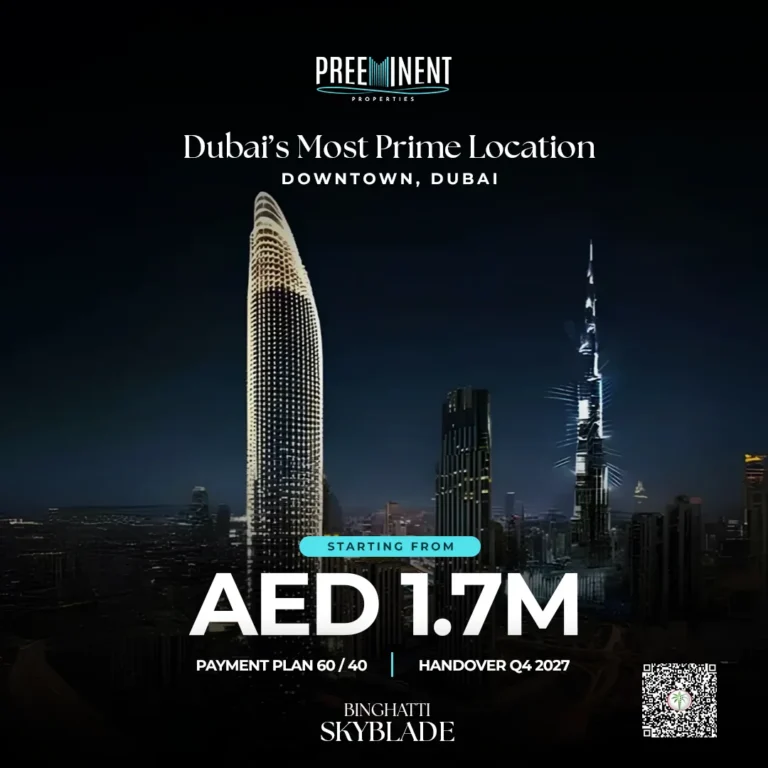
The age-old real estate mantra holds especially true in Dubai. Prime locations such as Downtown Dubai, Dubai Marina, and Palm Jumeirah command higher rental yields and appreciation rates. Investors should assess factors such as proximity to business districts, transport links, and lifestyle amenities when choosing a location.
Diversifying Your Portfolio
Diversification is a key strategy for mitigating risk. Consider a mix of property types, including residential, commercial, and hospitality, as well as a combination of completed and off-plan properties. This approach can balance risk and reward and provide flexibility to adapt to market changes.
Legal Considerations for Foreign Investors
Understanding the legal landscape is essential for any foreign investor in Dubai. The emirate’s regulations are designed to facilitate foreign investment, but there are critical aspects to consider.
Freehold Zones
Foreign investors can purchase property in designated freehold zones, where they have full ownership rights. Popular zones include Dubai Marina, Emirates Hills, and Business Bay. Familiarizing yourself with these zones can simplify the buying process and provide peace of mind.
Property Registration and Fees
Registration with the Dubai Land Department (DLD) is mandatory. The property registration fee is typically 4% of the property value, payable by the buyer. Additionally, legal fees, agent commissions, and other administrative costs should be budgeted for.
Residency and Visa Options
Buying property in Dubai can be a pathway to residency. Investors purchasing property worth AED 2 million or more may qualify for a 10-year residency visa. This visa can be a significant advantage for those looking to establish a long-term presence in the UAE.
Financing Options for Real Estate Investments in Dubai
Securing financing is a pivotal step in the property buying process for many investors. Dubai offers various financing options tailored to the needs of both residents and non-residents.
Understanding Mortgages
Banks in Dubai offer mortgage products to expatriates, typically covering up to 80% of the property’s value for residents and 75% for non-residents. Interest rates are competitive, but it’s crucial to compare offers and understand terms such as tenure, repayment schedules, and penalties.
Alternative Financing Strategies
In addition to traditional mortgages, investors might explore other financing avenues such as leveraging existing assets, developer financing, and partnerships. Some developers offer attractive payment plans for off-plan properties, spreading out payments over several years.
Currency Considerations
Investors should be mindful of currency fluctuations, particularly those purchasing from abroad. Using services like Wise for international payments can help manage exchange rates and transfer fees, ensuring cost-effective transactions.
Dubai Real Estate Market Trends for 2026
As we look towards 2026, several trends are shaping the future of Dubai’s real estate market, offering insights for prospective investors.
Sustainability and Smart Technologies
There is an increasing emphasis on sustainable and smart building technologies. Developments are integrating features like energy-efficient systems, smart home technologies, and eco-friendly materials. These innovations not only enhance living standards but also appeal to environmentally conscious investors.
Growth in the Rental Market
The rental market in Dubai continues to thrive, driven by a growing expatriate population and the city’s reputation as a global business hub. Investors can expect steady demand for rental properties, with yields varying by location and property type.
Impact of Global Events
Global events, such as Expo 2020 and the ongoing evolution of Dubai as a tourism and business destination, have long-term positive impacts on real estate demand. These events boost infrastructure development and international interest in the city’s property market.
Case Study: Successful Asian Investments in Dubai
To illustrate the potential of investing in Dubai, we present a case study of successful Asian investors who have made significant gains in this market.
Profile of Investors
A group of investors from Singapore entered the Dubai real estate market in 2022, focusing on luxury apartments and off-plan properties. Their strategic approach involved thorough market analysis and collaboration with local real estate experts.
Investment Strategy and Outcomes
The investors selected properties in high-demand areas such as Downtown Dubai and Business Bay. By leveraging favorable payment terms and timing their entries and exits effectively, they achieved substantial capital appreciation and rental yields averaging 8% annually.
Lessons Learned
This case study underscores the importance of market research, strategic location selection, and expert guidance in achieving investment success. It also highlights the value of adaptability and responsiveness to market changes.
In conclusion, Dubai’s real estate market offers diverse opportunities for Asian investors seeking high returns. With the right strategies and understanding of the market dynamics, you can effectively navigate this landscape. For personalized assistance, feel free to reach out to our dedicated team for expert guidance.
Emerging Investment Opportunities in Dubai’s Real Estate
As Dubai continues to evolve as a global city, new sectors within its real estate market are emerging, offering fresh opportunities for astute investors. These opportunities cater to diverse investment appetites, ranging from sustainable living to co-working spaces.
Sustainable Living Projects
Dubai’s commitment to sustainability is creating a new wave of residential projects focused on eco-friendly living. Developments like The Sustainable City offer homes powered by renewable energy, with features such as recycling facilities and green transportation options. These projects attract environmentally conscious buyers and renters, providing a niche market with growing demand.
Co-Working and Flexible Office Spaces
The rise of remote work and entrepreneurship has accelerated demand for co-working and flexible office spaces in Dubai. Investors can capitalize on this trend by exploring commercial properties designed to accommodate businesses seeking adaptable work environments. Areas like Business Bay and Jumeirah Lake Towers are prime locations for such investments, given their proximity to major business hubs and transport links.
Insights into Dubai’s Luxury Real Estate Market
Dubai’s luxury real estate market remains a cornerstone of its property sector, known for its opulent offerings and high-net-worth clientele. This segment provides unique opportunities for investors looking to enter the high-end market.
Trends in Luxury Real Estate
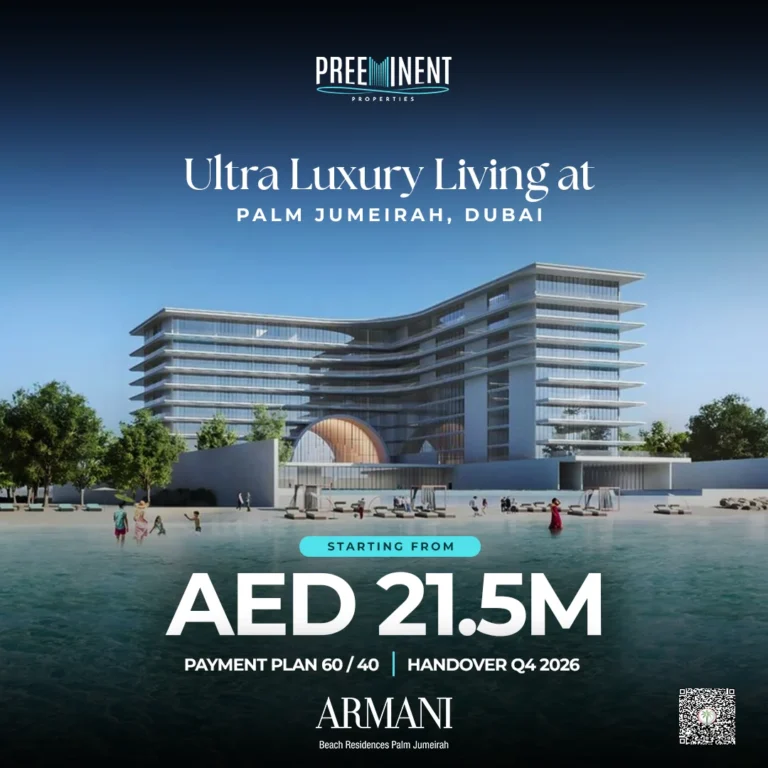
The demand for luxury apartments in Dubai continues to rise, fueled by ultra-modern designs, exclusive amenities, and prestigious locations. Areas such as Palm Jumeirah and Downtown Dubai are consistently at the forefront of luxury real estate, offering properties with stunning views, private beaches, and top-tier service.
Investment Potential in Luxury Segments
Investors in the luxury segment can expect significant appreciation in property value, driven by limited supply and high demand. Rental yields in this segment also remain robust, with high occupancy rates among short-term and long-term renters seeking luxury accommodations. Partnering with experienced property management firms can enhance returns by ensuring properties are maintained to the highest standards and marketed effectively.
The Impact of Technology on Dubai Real Estate
Technology is transforming the real estate landscape in Dubai, enhancing the buying, selling, and managing of properties. From virtual reality tours to blockchain transactions, tech innovations are reshaping how investors engage with the market.
Virtual Reality and Property Tours
Virtual Reality (VR) technology allows prospective buyers to tour properties remotely, providing an immersive experience that saves time and resources. This technology is particularly beneficial for international investors who cannot visit Dubai in person but wish to explore properties before making a purchasing decision.
Blockchain and Real Estate Transactions
Blockchain technology is increasing transparency and security in property transactions. By creating immutable records, blockchain reduces the risk of fraud and simplifies the transfer of ownership. Dubai’s government has been proactive in adopting blockchain for its real estate sector, making it easier for investors to trust and engage with the market.
Cultural Influences on Dubai’s Real Estate Market
Dubai’s cultural diversity plays a significant role in shaping its real estate market. Understanding these cultural influences can provide investors with insights into consumer preferences and market dynamics.
Influence of Asian Culture
Asian influence in Dubai is evident in various aspects of the real estate market, from architectural designs to lifestyle preferences. Many developments incorporate Asian-inspired elements, such as Feng Shui principles, to attract Asian buyers. This cultural alignment can enhance property appeal among Asian investors, fostering stronger business relationships.
International Events and Cultural Festivals
Dubai’s status as a cultural hub is bolstered by its hosting of international events and festivals, which draw visitors and potential property buyers from around the world. Events like the Dubai Shopping Festival and Expo 2020 have significantly impacted the real estate market, increasing demand for short-term rentals and boosting the city’s global profile.
Trakheesi – Dubai Land Department
Scannez ce QR code pour vérifier la validation