Real Estate and Climate Change Challenges in Dubai
In 2026, the intersection of climate change and real estate is becoming increasingly significant, especially in a dynamic city like Dubai. With its soaring skyscrapers and luxurious lifestyle, understanding how climate change impacts this emirate is crucial for potential buyers. The real estate landscape in Dubai is not only a reflection of architectural marvels but also a testament to the challenges posed by environmental shifts. As investors consider buying property in Dubai, recognizing the implications of climate change becomes a key factor in decision-making.
How Does Climate Change Impact Property Values in Dubai?
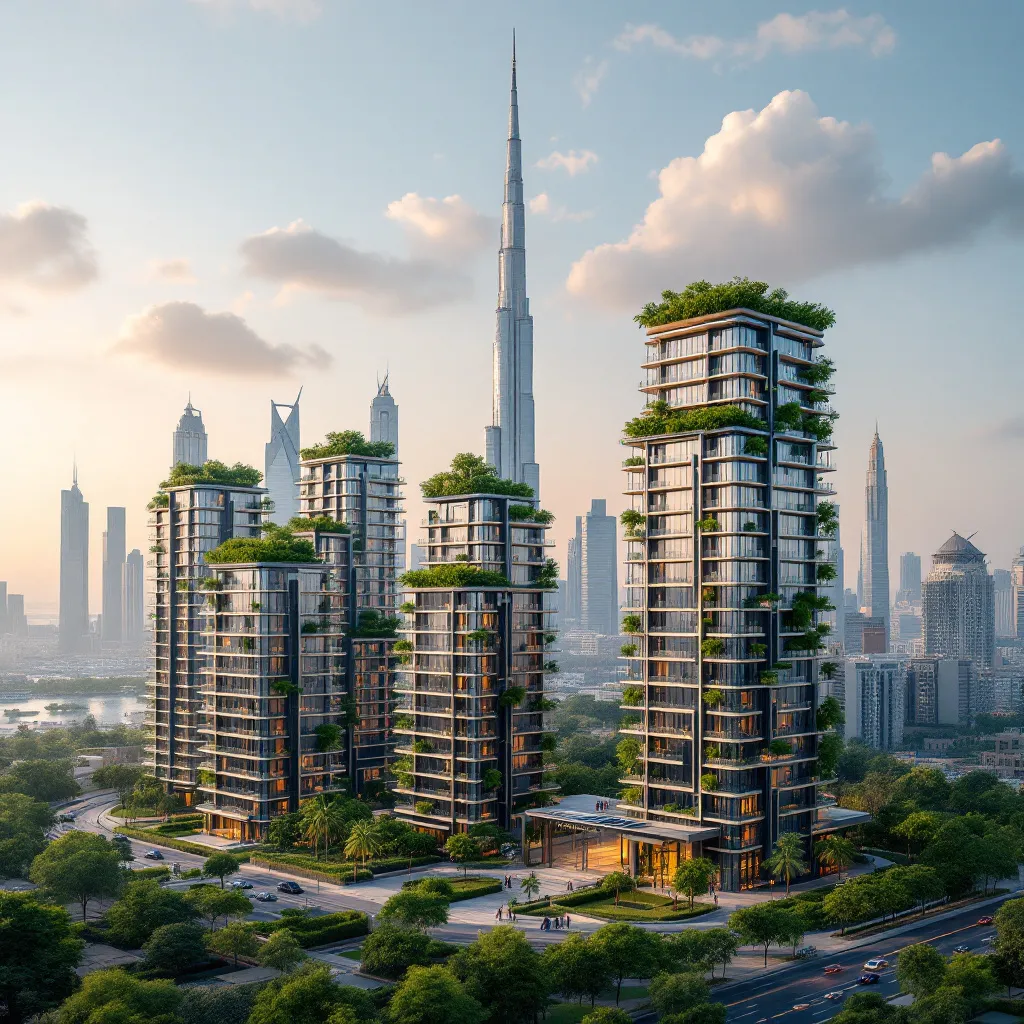
Climate change is reshaping Dubai’s real estate market in various ways. Rising temperatures can affect the desirability of properties, as potential buyers seek homes that can offer comfort in extreme heat. The necessity for advanced cooling systems and energy-efficient designs is greater than ever. Flooding risks are another concern; with the city’s coastal location, properties in low-lying areas might face increased insurance costs and potential devaluation. Moreover, buyer preferences are shifting toward sustainability and resilience, with many opting for eco-friendly apartments for sale in Dubai that promise long-term value and reduced environmental impact.
What Are the Best Eco-Friendly Properties Available?
Dubai’s commitment to sustainability is evident in its real estate offerings. Several top-tier developments showcase this trend. For instance, eco-friendly apartments equipped with solar panels and energy-efficient systems are available across the city. Similarly, villas for sale in Dubai are increasingly incorporating green technologies, such as rainwater harvesting and smart home tech, to appeal to environmentally conscious buyers. The market for off-plan properties in Dubai, designed with climate resilience in mind, is also growing, offering future homeowners a chance to invest in sustainable living.
💡 Need personalized guidance?
What Strategies Can Investors Use to Mitigate Climate Risks?
Investors looking to mitigate climate-related risks in Dubai’s real estate market should focus on due diligence. It’s essential to thoroughly research the area’s vulnerability to climate impacts before purchasing. Investing in regions less prone to flooding or extreme heat can safeguard your investment. Additionally, adopting sustainable practices in property management not only aligns with environmental goals but also enhances property value. As the Dubai property market evolves, such strategies will become increasingly vital for smart investors.
Frequently Asked Questions
What should I consider when buying property in Dubai?
When buying property in Dubai, consider the location, sustainability features, and the potential impact of future climate risks on property value.
Are there government incentives for green buildings in Dubai?
Yes, the Dubai government offers various incentives, including tax benefits and grants, to promote sustainable building practices.
How do climate change projections affect real estate investments?
Climate change projections are crucial as they influence long-term value and risk assessment, impacting real estate investment decisions.
What are the most sustainable neighborhoods in Dubai?
Neighborhoods like Dubai Marina and Downtown Dubai are recognized for their eco-friendly initiatives and sustainable developments.
Can I finance a sustainable property in Dubai?
Yes, there are green mortgages and financing options available for purchasing sustainable properties in Dubai.
Key Figures in Dubai’s Real Estate Market
30% increase in demand for eco-friendly properties since 2026.
25% of new developments are designed with climate resilience in mind.
10% reduction in insurance costs for sustainable buildings.
40% of buyers prioritize sustainability when choosing properties.
Understanding Climate Change and Real Estate Trends in Dubai
The real estate market in Dubai is intrinsically linked to global trends, including the pressing issue of climate change. As the world grapples with environmental challenges, Dubai stands at a pivotal point where economic growth meets environmental sustainability. The city’s real estate sector has traditionally prioritized rapid development and luxury, but recent trends indicate a significant shift towards sustainability and climate resilience. This change is driven by both consumer demand and regulatory policies encouraging greener urban development.
For investors, this means not only focusing on the immediate appeal of properties but also considering their long-term sustainability. Properties with features like integrated renewable energy sources, efficient waste management systems, and sustainable building materials are increasingly sought after. These not only contribute to environmental conservation but also promise better returns by aligning with global sustainability standards. Thus, understanding these emerging trends is crucial for anyone interested in Dubai real estate investment.
Government Initiatives Promoting Sustainable Real Estate
Dubai’s government has been proactive in addressing climate change impacts through various initiatives aimed at promoting sustainable real estate. Initiatives such as the Dubai Clean Energy Strategy 2050 and the Green Building Regulations have set ambitious targets for reducing carbon emissions and enhancing energy efficiency in buildings. These policies not only enhance the city’s appeal as a sustainable urban hub but also provide incentives for developers and buyers to invest in eco-friendly properties.
The Green Building Regulations, for instance, mandate the use of energy-efficient materials and technologies in new developments. This has led to an increase in the construction of green apartments in Dubai that feature solar panels, efficient lighting, and water-saving fixtures. Similarly, the Dubai Clean Energy Strategy 2050 aims to achieve 75% clean energy by 2050, encouraging the integration of renewable energy solutions in both residential and commercial properties.
Incentives for Sustainable Investments
Investors in sustainable properties can benefit from various incentives offered by the Dubai government. These incentives include reduced property registration fees and access to green financing options, making it more attractive to purchase eco-friendly villas in Dubai. Additionally, there are potential tax benefits for developers who incorporate sustainable practices in their projects. By aligning with these government initiatives, investors can not only contribute to environmental sustainability but also enhance the value of their investments.
Challenges of Adapting Real Estate to Climate Change
While there are numerous benefits to investing in sustainable real estate, there are also challenges that investors and developers must navigate. One of the primary challenges is the cost associated with implementing sustainable technologies and materials. Green building practices often require a higher upfront investment, which can deter developers focused on short-term profits. However, the long-term savings in energy costs and increased property value often compensate for these initial expenditures.
Another challenge is the lack of awareness and education among buyers and investors about the importance of sustainability in real estate. Many potential buyers may not fully understand how climate change can impact property values and the benefits of investing in climate-resilient properties. Educational initiatives and transparent communication about the advantages of green buildings are essential to overcoming this challenge.
Balancing Luxury and Sustainability
Dubai is renowned for its luxury lifestyle, and balancing this with sustainability can be a complex task. Developers are increasingly tasked with integrating luxury features with eco-friendly designs. This includes using sustainable materials that do not compromise on quality and aesthetics, as well as incorporating smart home technologies that enhance energy efficiency while offering premium comfort. The success of this balance is evident in several high-end developments that have seamlessly integrated luxury and sustainability, setting a benchmark for future projects.
Case Studies: Successful Sustainable Projects in Dubai
Examining successful sustainable projects in Dubai provides valuable insights into best practices and innovations in the real estate sector. One notable example is the Sustainable City, a development that has set new standards for eco-friendly living. This community utilizes solar energy, efficient waste management systems, and sustainable transportation options. The result is a reduction in carbon footprint and operational costs, making it an attractive option for environmentally conscious buyers.
Another example is the Masdar City, which, although located in Abu Dhabi, offers lessons applicable to Dubai. This city is designed to be one of the world’s most sustainable urban communities, focusing on renewable energy, water conservation, and sustainable building materials. The success of such projects underscores the viability of combining sustainability with urban development, offering a blueprint for future real estate projects in Dubai.
Impact of Climate Change on Luxury Real Estate in Dubai
The luxury real estate market in Dubai is not immune to the impacts of climate change. High-end properties, often located in coastal areas, face increased risks from sea-level rise and extreme weather events. As a result, there is a growing emphasis on designing luxury villas for sale in Dubai that incorporate climate-resilient features. These include elevated structures, advanced drainage systems, and materials resistant to harsh weather conditions.
Moreover, luxury buyers are increasingly considering the environmental impact of their investments. This shift is driving demand for properties that offer both opulence and sustainability. Developers who can successfully integrate these elements are likely to attract discerning buyers looking for properties that not only provide luxury but also contribute to environmental conservation.
Future Outlook for Luxury and Sustainability
The future of luxury real estate in Dubai is likely to be shaped by an increasing emphasis on sustainability. As environmental awareness grows among high-net-worth individuals, the demand for eco-friendly luxury properties is expected to rise. This trend presents an opportunity for developers to innovate and create exclusive properties that meet the dual demands of luxury and sustainability. By doing so, they can enhance their market appeal and ensure the long-term success of their developments.
Practical Tips for Buyers and Investors
For those considering buying property in Dubai, it’s essential to keep several practical tips in mind. First, conducting thorough research on the location and its susceptibility to climate risks is crucial. Opting for properties in areas known for their climate resilience can mitigate potential risks. Additionally, prioritizing properties with sustainable features can enhance long-term value and appeal.
It’s also advisable to stay informed about the latest government regulations and incentives related to green buildings. This knowledge can guide investment decisions and ensure compliance with local policies. Furthermore, collaborating with reputable real estate agents and developers who specialize in sustainable properties can provide valuable insights and support throughout the buying process.
Leveraging Technology for Smart Investments
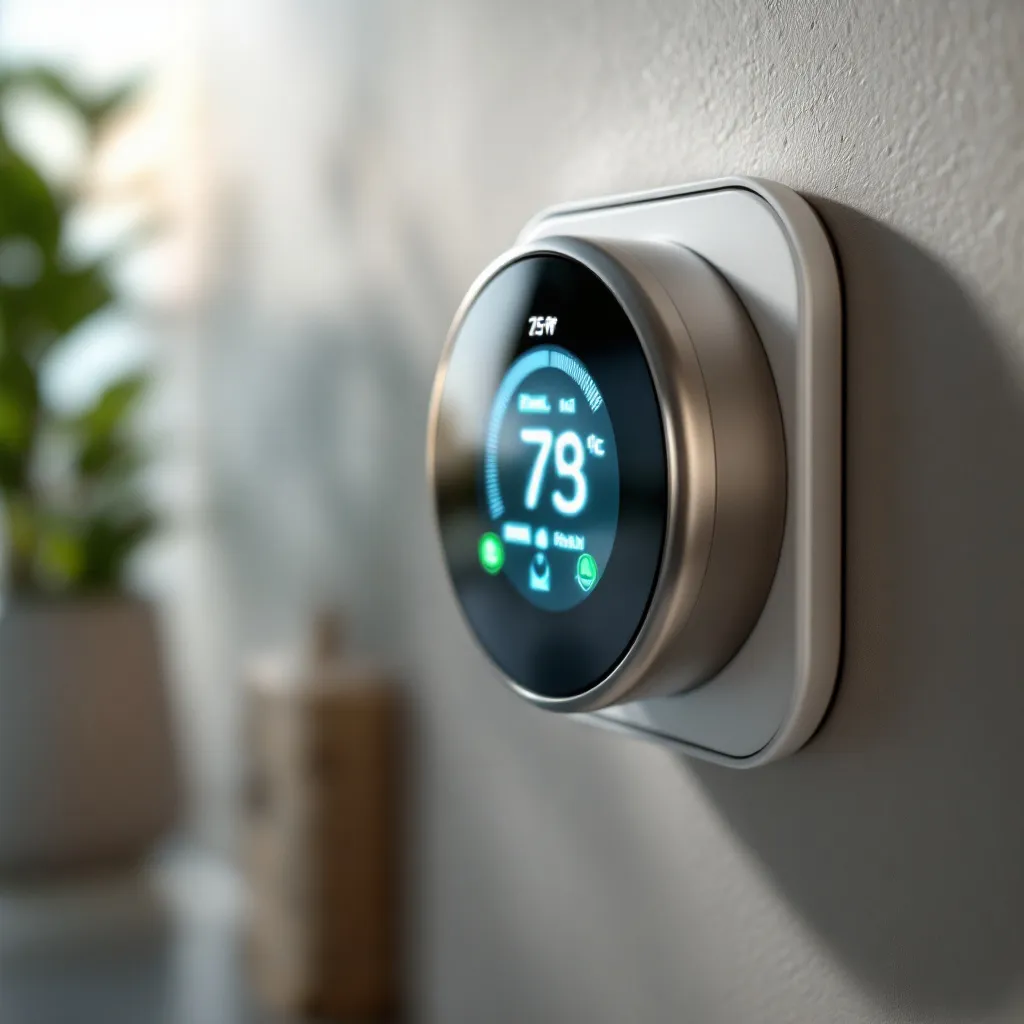
Technology plays a vital role in modern real estate investments, especially in a city like Dubai. Utilizing smart home technologies can enhance the sustainability and efficiency of properties, offering buyers added convenience and cost savings. Features such as automated climate control, smart lighting, and water conservation systems are becoming increasingly popular in green apartments in Dubai.
Investors can also leverage data analytics to make informed decisions. Analyzing market trends, property performance, and climate projections can provide a comprehensive understanding of potential investments. By integrating technology into their investment strategies, buyers can ensure they are making smart, sustainable choices that align with their financial and environmental goals.
The Role of Technological Innovation in Dubai Real Estate
Technological innovation is reshaping the landscape of real estate in Dubai, providing solutions to the challenges posed by climate change. As the city continues to grow, developers are leveraging cutting-edge technology to create sustainable and efficient living spaces. Smart building technologies, such as automated energy management systems and IoT-enabled appliances, are becoming standard in new developments.
These technologies not only enhance the comfort and convenience of residents but also significantly reduce energy consumption and operational costs. For example, smart thermostats and lighting systems automatically adjust based on occupancy and weather conditions, optimizing energy use. Such innovations are crucial for reducing the carbon footprint of residential and commercial buildings, aligning with Dubai’s vision for a sustainable future.
Case Study: Smart City Projects in Dubai
Dubai’s commitment to becoming a smart city is evident in projects like the Dubai Silicon Oasis and the District 2020 development. These areas are designed to integrate smart technologies across various sectors, including real estate. For instance, District 2020, which will transform the Expo 2020 site into a mixed-use urban environment, emphasizes connectivity and sustainability. It features smart infrastructure that supports seamless data integration and intelligent resource management.
These projects serve as a model for future developments, demonstrating how technology can be harnessed to create efficient, resilient urban environments. By prioritizing smart city initiatives, Dubai is setting a precedent for urban development that balances growth with environmental stewardship.
Impact of Global Trends on Dubai Real Estate
Global trends such as urbanization, digitization, and the shift towards sustainable living are significantly influencing Dubai’s real estate market. As more people migrate to urban areas, the demand for high-quality, sustainable homes is increasing. Developers are responding by constructing properties that cater to modern lifestyles, integrating technology and sustainability into their designs.
Moreover, the growing awareness of environmental issues is prompting changes in consumer behavior. Buyers and investors are increasingly prioritizing properties that align with global sustainability goals. This shift is encouraging developers to adopt greener practices, from using sustainable materials to incorporating renewable energy sources. As a result, Dubai’s real estate market is evolving to meet the demands of a more environmentally conscious clientele.
Adapting to Changing Demographics
Dubai is home to a diverse population, and its real estate market reflects this demographic variety. The influx of expatriates and the rise of the millennial workforce have influenced housing preferences, with a growing demand for flexible, multi-functional living spaces. Properties that offer amenities tailored to the needs of young professionals and families are gaining popularity.
Developers are also recognizing the importance of community-oriented developments that foster social interaction and promote a high quality of life. Mixed-use developments that combine residential, commercial, and recreational spaces are becoming increasingly common, offering residents a holistic living experience.
Future Prospects for Sustainable Real Estate in Dubai
Looking ahead, the prospects for sustainable real estate in Dubai are promising. The city’s commitment to smart and sustainable urban development is expected to drive continued growth in this sector. As more investors recognize the value of eco-friendly properties, the demand for green apartments and villas is likely to increase.
Dubai’s strategic initiatives, such as the Dubai 2040 Urban Master Plan, aim to create a more sustainable and resilient urban environment. This plan focuses on enhancing the quality of life for residents, promoting economic growth, and ensuring environmental sustainability. As these initiatives unfold, they will shape the future of real estate in the city, providing opportunities for investors to participate in Dubai’s sustainable transformation.
Opportunities for Investors
For investors, Dubai’s focus on sustainability presents numerous opportunities. By investing in properties that align with the city’s green vision, investors can capitalize on the growing market for eco-friendly real estate. Additionally, sustainable investments are often associated with lower risks and higher long-term returns, making them an attractive option for savvy investors.
Furthermore, the supportive regulatory environment in Dubai, coupled with government incentives for sustainable development, creates a favorable climate for investing in green real estate. As the city continues to position itself as a global leader in sustainability, investors can expect to benefit from the increasing demand for properties that support a greener future.
Conclusion
Understanding the impact of climate change on real estate in Dubai is vital for making informed investment decisions. By exploring sustainable options, investors can ensure long-term value and resilience. For those seeking expert advice and the best properties suited to this new landscape, we invite you to reach out for personalized guidance.
Trakheesi – Dubai Land Department
Scannez ce QR code pour vérifier la validation