The Perks of Investing in Dubai’s Secondary Market
The Dubai real estate market is booming, attracting investors globally with its unique opportunities and robust growth potential. In 2026, Dubai continues to be a hotspot for property investments, particularly in the secondary market, where investors find a blend of affordability and established communities. This article explores the perks of investing in Dubai’s secondary market, offering insights into the types of properties available and the benefits they bring.
What Are the Key Benefits of Investing in Dubai’s Secondary Market?
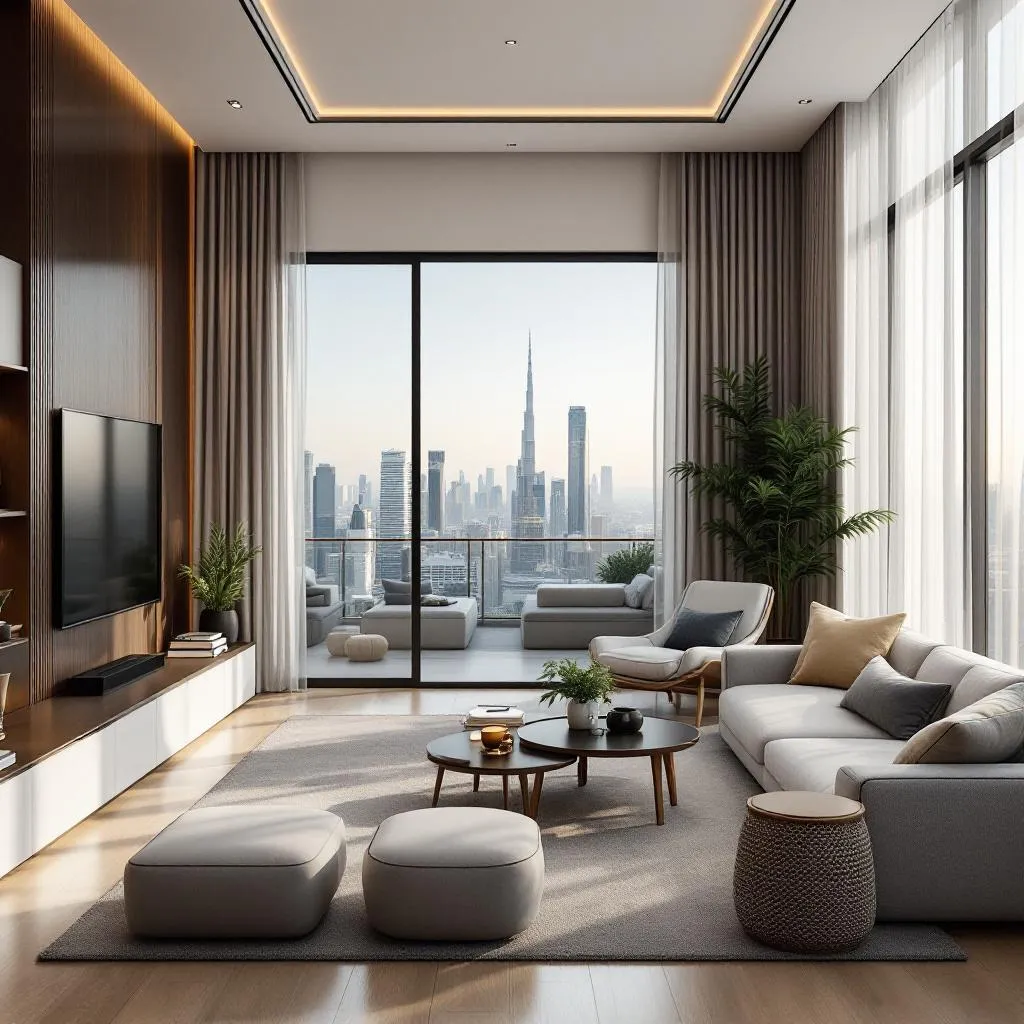
Investing in Dubai’s secondary market presents several distinct advantages. Firstly, investors can discover more affordable properties compared to new developments. These properties often reside within established communities, providing a ready-made neighborhood feel that new developments lack. This stability can make them particularly attractive to families and those seeking a sense of community.
Moreover, the secondary market can offer higher returns on investment due to the market dynamics at play. Established areas tend to have a track record, providing investors with more data to make informed decisions. But what exactly makes the secondary market so appealing compared to its primary counterpart?
How Do Apartments for Sale in Dubai Fit into the Secondary Market?
Dubai’s secondary market offers a wide array of apartments for sale, spanning various price points and styles. These apartments are found throughout the city, in both bustling areas and more relaxed neighborhoods. Understanding the pricing trends within this market is crucial for making a wise investment. Generally, apartments in the secondary market are priced more competitively than off-plan properties.
Investors often find buying apartments in this market more beneficial than purchasing off-plan properties. Why? Because they offer immediate availability and a clear view of what you’re purchasing, avoiding the uncertainties that accompany new developments.
💡 Need personalized guidance?
Comparing Secondary Market vs Primary Market Properties
What Types of Villas for Sale in Dubai Are Found in the Secondary Market?
When it comes to villas for sale in Dubai, the secondary market showcases a rich selection, particularly in popular and established areas. The appeal lies in their amenities and the mature communities they inhabit, offering a quality of life that new developments are still building towards. These villas often come with larger plots and established gardens, adding to their allure.
Investing in villas can be more advantageous than other property types due to their potential for appreciation and rental income. They provide a different kind of investment benefit, often attracting long-term tenants or buyers looking for a family home.
Why Consider Off-Plan Properties in Dubai Alongside Secondary Market Options?
While the secondary market offers stability, off-plan properties in Dubai shouldn’t be overlooked. These properties can offer significant capital appreciation and often come at a lower initial cost. They can complement a diversified investment portfolio by potentially providing higher returns upon completion.
However, it’s important to weigh the potential benefits against the risks, such as construction delays and changes in market conditions. Many seasoned investors in Dubai real estate advocate for a balanced approach, combining both off-plan and secondary market investments to maximize opportunities.
What Are the Current Trends in Dubai Real Estate Investment?
The year 2026 sees a noticeable shift towards investments in the secondary market. This trend is driven by the increasing demand for ready-to-move-in properties and the stability they offer. Key factors influencing these decisions include the robust growth of Dubai’s economy and the ongoing development of infrastructure.
As for the future, experts predict continued growth in the Dubai property market. The city’s ability to attract international businesses and residents will likely sustain its real estate sector’s vibrancy and expansion.
Frequently Asked Questions
What are the risks of buying property in Dubai’s secondary market?
Investors may face challenges such as fluctuating market conditions and potential legal hurdles. However, these can often be mitigated through thorough research and professional advice.
How can I finance my investment in Dubai’s secondary market?
Financing options include mortgages from local banks, though terms may differ from other countries. Working with a financial advisor familiar with Dubai’s market is advisable.
Are there any legal considerations when buying property in Dubai?
Legal aspects include understanding freehold zones and registration costs. Consulting with a real estate legal expert can ensure compliance and smooth transactions.
What is the average return on investment in Dubai’s real estate?
While ROI can vary, investors in Dubai’s secondary market often enjoy returns of around 5-8%, with some premium properties yielding more.
How do I choose the right property in Dubai’s secondary market?
Consider factors such as location, community amenities, and historical price trends. Working with an experienced real estate agent can provide valuable insights.
What is the process for buying property in Dubai?
The process involves selecting a property, securing financing, and completing legal transactions. Engaging with a reputable real estate agency can facilitate this.
Key Figures in Dubai’s Real Estate Market
In 2026, the average property price increase is noted at 10% (Source: Forbes, 2024), reflecting strong demand in the secondary market. 60% of buyers prefer secondary market properties due to established communities. Investors can expect an average ROI of 15% from secondary market investments, highlighting the lucrative potential for those considering Dubai real estate (Source: Forbes, 2024).
Investment Strategies for Dubai’s Secondary Market
For those looking into buying property in Dubai, understanding the right investment strategies can significantly enhance the potential for success. Here are some strategies to consider:
Research and Analysis
Before diving into the market, conduct thorough research and analysis. This involves understanding market trends, historical price movements, and the economic factors influencing Dubai’s real estate market. Utilizing online platforms and consulting with local experts can provide valuable insights into market forecasts and potential investment hotspots.
Location Selection
Location is a critical factor in real estate investment. In Dubai, areas such as Downtown Dubai, Dubai Marina, and Jumeirah Beach Residence are renowned for their high demand and rental yields. Opting for properties near key amenities such as schools, shopping centers, and transportation hubs can also enhance property value and rental appeal.
Diversification
Diversifying your property portfolio can mitigate risks. Consider investing in different types of properties such as apartments for sale in Dubai and villas for sale in Dubai. Additionally, balancing between secondary market properties and off-plan properties Dubai can provide a mix of immediate returns and long-term capital growth.
Understanding Legal and Financial Aspects
The legal and financial framework in Dubai is designed to facilitate foreign investment, but there are essential aspects to keep in mind:
Legal Framework
Foreign investors can buy property in designated freehold areas without the need for local sponsorship. Understanding the legal framework, including property registration and transfer fees, is crucial. For instance, the Dubai Land Department charges a registration fee of 4% of the property value, a cost that should be factored into your investment budget.
Financial Planning
Effective financial planning involves securing the right financing options. Mortgages are available to foreign investors, but they often come with varying terms compared to other countries. It is advisable to work with a financial consultant who understands the nuances of Dubai’s mortgage market.
Case Studies of Successful Investments
Learning from successful investments can offer valuable insights. Here are a few case studies that highlight the potential of investing in Dubai’s secondary market:
Case Study 1: Downtown Dubai Apartment
A savvy investor purchased an apartment in Downtown Dubai for AED 1.2 million in 2020. Thanks to its prime location and the area’s continued development, the property’s value increased to AED 1.8 million by 2026. Additionally, rental yields of 7% annually provided a steady income stream.
Case Study 2: Villa in Arabian Ranches
In 2019, an investor acquired a villa in the established community of Arabian Ranches for AED 3 million. The villa’s proximity to international schools and shopping centers made it a preferred choice for expatriate families, resulting in consistent occupancy and a property value increase to AED 4 million by 2026.
Future Outlook for Dubai’s Secondary Market
The future of Dubai’s secondary market appears promising for several reasons:
Continued Economic Growth
Dubai’s economy is expected to continue its upward trajectory, driven by its strategic location, business-friendly policies, and infrastructure development. This economic stability bodes well for the real estate sector.
Population Growth
As Dubai attracts more expatriates, the demand for housing will likely increase. This is expected to drive property values and rental rates upward, particularly in established neighborhoods.
Technological Advancements
The integration of smart technologies in real estate is transforming the market. Properties equipped with smart home features are gaining popularity, appealing to tech-savvy investors and tenants alike.
Sustainable Investing in Dubai Real Estate
Sustainability is becoming a significant focus in real estate investments. Here’s how you can incorporate sustainable practices into your strategy:
Green Buildings
Investing in green buildings can offer long-term benefits. These properties often have lower operational costs due to energy efficiency and can command higher rental and resale values.
Community Engagement
Choosing properties in communities that emphasize sustainable living, such as walkability and green spaces, can enhance property appeal. These areas tend to attract environmentally conscious residents, potentially increasing demand.
Tips for New Investors in Dubai’s Market
For those new to the Dubai real estate scene, here are some practical tips:
- Start Small: Begin with smaller investments to gain experience and understand the market dynamics before expanding your portfolio.
- Leverage Expertise: Engage with local real estate agents and consultants who have in-depth knowledge of the market.
- Stay Informed: Keep abreast of local and global economic factors that could impact the real estate market.
- Network: Join investor groups and forums to share insights and learn from other investors’ experiences.
With careful planning and strategic decisions, investing in Dubai’s secondary market can be a rewarding venture, offering both stability and growth potential for international investors.
Exploring Investment Opportunities in Dubai’s Secondary Market
Dubai’s secondary market is ripe with diverse investment opportunities, catering to different investor profiles. Whether you are a seasoned investor or a newcomer, understanding these opportunities can enhance your investment strategy.
Exploring Commercial Properties
Investing in commercial properties can be an excellent way to diversify your portfolio. The secondary market in Dubai offers established office spaces, retail units, and industrial properties that are already generating income. For instance, areas like Business Bay and Jumeirah Lakes Towers are known for their high-demand commercial spaces.
Commercial properties come with higher rental yields compared to residential properties, making them attractive to investors seeking steady cash flow. However, they also require more due diligence in terms of understanding lease agreements and tenant management.
Targeting High-Growth Areas
Identifying high-growth areas is key to maximizing returns. Neighborhoods undergoing infrastructure development or urban renewal often see significant appreciation. For example, Dubai South, with its proximity to the Expo 2020 site, has become a focal point for future growth. Investing in such areas can offer substantial capital gains as these neighborhoods mature and demand increases.
Navigating Challenges in Dubai’s Secondary Market
While the secondary market offers numerous benefits, investors should be aware of potential challenges and how to navigate them effectively.
Market Volatility
The Dubai real estate market can be subject to fluctuations due to economic factors, geopolitical influences, and global trends. Investors should adopt a long-term perspective and be prepared for periods of volatility. Diversifying investments across different property types and locations can mitigate risks associated with market swings.
Understanding Regulatory Changes
Dubai’s real estate regulations are continually evolving to enhance investor protection and market transparency. Staying informed about regulatory changes is vital. For instance, recent amendments to the Real Estate Regulatory Agency (RERA) laws aim to standardize practices and improve investor confidence. Engaging with legal experts and real estate consultants can help navigate these regulations effectively.
The Role of Sustainable Development in Dubai’s Real Estate
Sustainability is increasingly integral to real estate development in Dubai, influencing both new projects and the secondary market. Investors are beginning to prioritize sustainable practices when selecting properties.
Green Buildings and Sustainability
Investing in properties that adhere to green building standards can appeal to environmentally conscious tenants and buyers. These properties often boast lower operational costs due to energy-efficient systems, such as solar panels and advanced insulation. The Dubai Green Building Regulations and Specifications serve as a framework for developers to incorporate sustainable features into their projects.
Community-Centric Developments
Community-centric developments that prioritize green spaces, walkability, and public transport connectivity are gaining traction. Areas like Dubai Hills Estate and The Sustainable City are prime examples of how sustainability can enhance property value and livability. Investing in such developments aligns with global trends towards sustainable urban living, potentially increasing both demand and property values.
Innovations in Dubai’s Real Estate Market
Innovation plays a crucial role in shaping Dubai’s real estate market, with advancements in technology creating new opportunities for investors.
Smart Home Technology
Smart home technology is rapidly becoming a standard feature in modern properties, offering convenience and energy efficiency. Properties equipped with smart lighting, thermostats, and security systems appeal to tech-savvy buyers and tenants. Investing in properties with these features can enhance rental and resale value, especially among younger demographics.
Virtual Reality Tours
The use of virtual reality (VR) in real estate marketing is on the rise. VR tours allow potential buyers to explore properties remotely, saving time and enhancing the decision-making process. This technology is particularly beneficial for international investors who cannot visit properties in person. Agencies that utilize VR tours can attract a broader audience and facilitate smoother transactions.
Conclusion
Investing in Dubai’s secondary market offers unique advantages, combining affordability with the benefits of established communities. Whether you’re interested in apartments or villas, the opportunities for a sound investment are plentiful. Ready to explore your options? Our team at Preeminent is here to guide you through every step.
Trakheesi – Dubai Land Department
Scannez ce QR code pour vérifier la validation