Unlocking the Future: Your Guide to Buying Property in Dubai
Buying property in Dubai is an exciting adventure filled with opportunities. The vibrant Dubai real estate market offers a myriad of options for investors and home buyers alike. This guide will help you navigate the complexities and rewards of investing in one of the world’s most dynamic cities.

What Makes Dubai an Attractive Place for Property Investment?
The allure of buying property in Dubai lies in its booming economy and strategic location. As a global hub for business and tourism, Dubai presents unique opportunities for property investment. The city’s diverse lifestyle caters to a variety of tastes, making it a desirable location for both residents and investors.
One of the most enticing aspects is the tax benefits associated with Dubai real estate investment. The absence of property taxes and the stable property market enhance the investment appeal. Dubai’s strategic geographic location also facilitates easy access to markets in Europe, Asia, and Africa, attracting international investors.
What Types of Properties Can You Buy in Dubai?
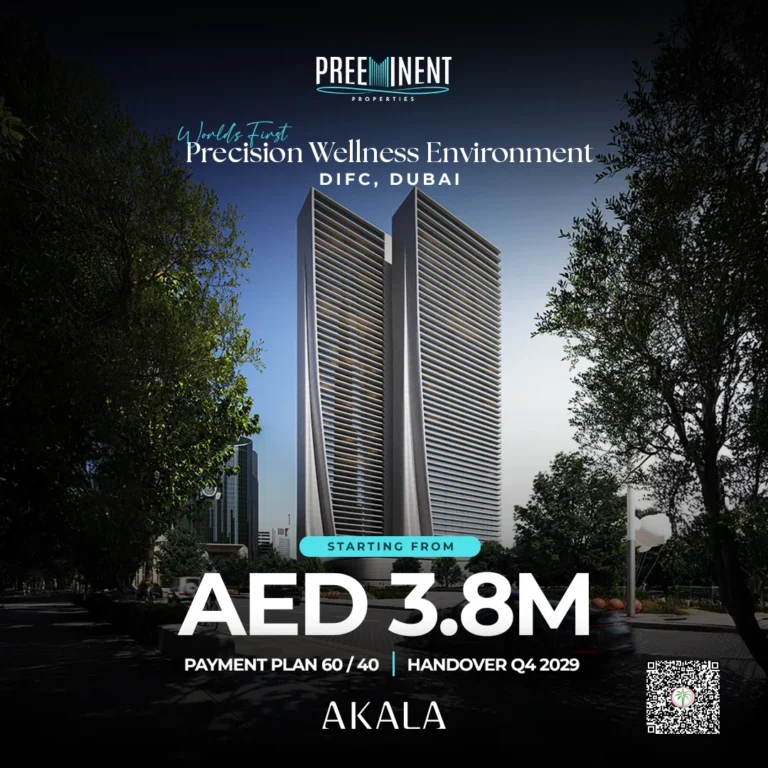
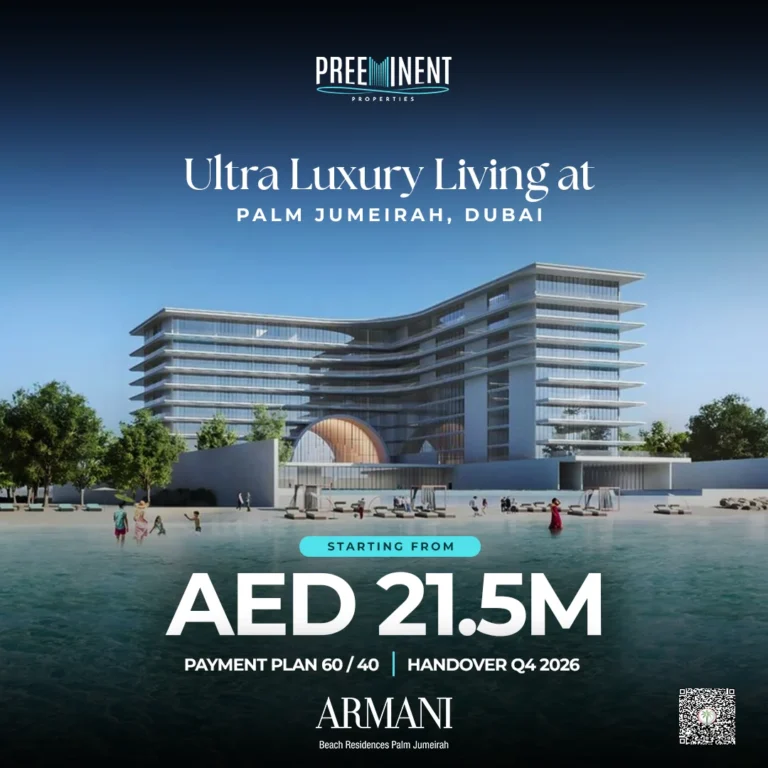
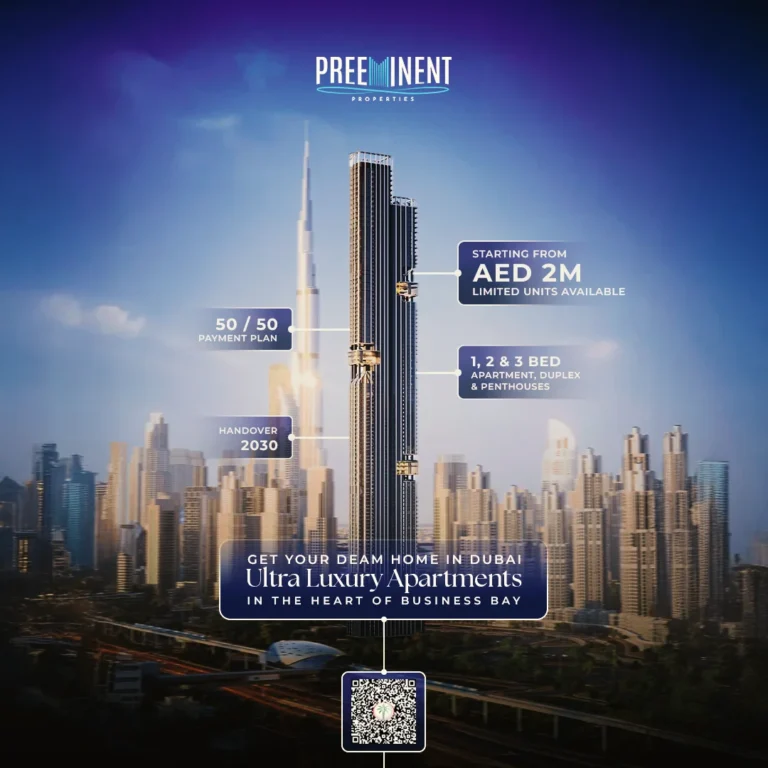
Dubai offers a wide array of property types to cater to different buyer needs. Whether you’re interested in apartments for sale in Dubai or luxurious villas for sale in Dubai, the options are plentiful. For those looking for future gains, off-plan properties in Dubai provide excellent investment potential.
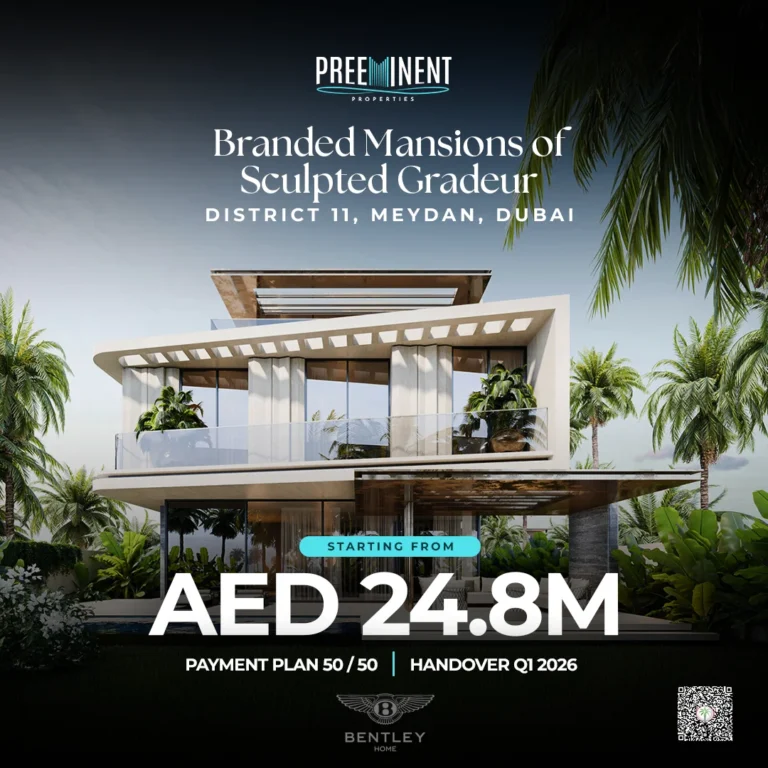
Apartments in Dubai vary from affordable studios to extravagant penthouses, offering flexibility for budget-conscious buyers and luxury seekers alike. The city is also renowned for its opulent villas, which come with spacious layouts and exclusive amenities, perfect for those seeking a luxurious lifestyle.
💡 Need personalized guidance?
Comparing Different Property Types in Dubai
How to Navigate the Buying Process in Dubai?
Navigating the buying process in Dubai involves understanding the legal requirements, especially for foreign investors. It’s crucial to familiarize yourself with the necessary documentation and associated fees. Engaging a reputable real estate agent can significantly ease the process.
As a foreigner, you are permitted to buy property in designated freehold areas. It’s essential to have a clear understanding of the costs involved, such as registration fees and agent commissions, to avoid surprises during the transaction.
What Are the Common Mistakes to Avoid When Buying Property?
Investing in Dubai real estate comes with its challenges, and common mistakes can impact your investment returns. Failing to research the market thoroughly might lead to poor decisions. Understanding the terms of the sale is critical to prevent unexpected costs.
The location of your property can significantly affect its future value. Therefore, overlooking the importance of location is a mistake best avoided. Choose areas with strong growth potential and high rental demand to maximize your investment.
Frequently Asked Questions
Can foreigners buy property in Dubai?
Yes, foreigners can buy property in designated areas called freehold zones without special permissions (Source: Wise).
What are the costs involved in buying property?
The costs include a 4% Dubai Land Department fee, 2% agent’s commission, and other miscellaneous expenses (Source: Reddit).
How long does the buying process take?
The process can take anywhere from a few weeks to several months depending on various factors.
Is it better to buy or rent in Dubai?
It depends on your long-term plans and financial situation. Buying can provide greater stability and investment returns.
What is the average return on investment in Dubai real estate?
ROI varies, but many investors see 5-10% annually, making it a lucrative market.
Key Figures in Dubai Real Estate
Average property price increase: 8% in 2026 – Reflects the growing demand for real estate. (Source: GuestReady)
Over 30% of properties sold to foreign investors – Indicates the international appeal of Dubai’s market. (Source: GuestReady)
90% of buyers prefer off-plan properties – Shows the trend towards new developments. (Source: GuestReady)
What are the Steps to Buying Property in Dubai?
Embarking on the journey of buying property in Dubai requires a clear understanding of the steps involved. Here’s a detailed guide to help you through the process:
Step 1: Define Your Budget
Understanding your financial capabilities is the first step. Determine your budget by assessing your savings, potential mortgage options, and the associated costs of buying property in Dubai. Consider the price ranges for different types of properties, such as apartments and villas, to align your budget with your preferences.
Step 2: Research the Market
Conduct thorough research on the Dubai real estate market. Identify trending areas, upcoming developments, and the types of properties that are in demand. Websites like Property Finder and Bayut offer extensive listings and market insights that can guide your decision.
Step 3: Choose the Right Location
The location of your property can significantly affect your lifestyle and investment returns. Areas like Downtown Dubai and Dubai Marina are popular for their vibrant city life and proximity to key attractions. Consider factors such as accessibility, amenities, and future development plans when choosing a location.
Step 4: Engage a Real Estate Agent
Finding a reliable real estate agent is crucial in navigating the complexities of the Dubai real estate market. A good agent can provide valuable insights, negotiate prices, and handle the legal paperwork. Look for agents with a strong track record and positive client feedback.
Step 5: Visit Properties
Once you’ve identified potential properties, schedule visits to inspect them. Pay attention to the quality of construction, surroundings, and amenities. Visiting properties gives you a better understanding of what suits your lifestyle and investment goals.
Step 6: Make an Offer
After selecting a property, work with your agent to make an offer. This involves negotiating the price and terms of sale. Ensure that your offer reflects the property’s market value and your budget constraints.
Step 7: Finalize the Purchase
Once your offer is accepted, proceed with the legal formalities. This includes signing the sale agreement, arranging financing (if needed), and paying the necessary fees such as the Dubai Land Department fee. Your real estate agent will assist you in completing these steps efficiently.
Is it a Good Time to Invest in Dubai Real Estate?
Investing in Dubai’s real estate market can be highly rewarding, but timing is crucial. Here are some factors to consider when deciding if now is the right time to invest:
Current Market Trends
The Dubai real estate market has shown resilience despite global economic challenges. With the Expo 2020 legacy and ongoing infrastructure developments, the market is poised for growth. Analysts predict a steady increase in property values and rental demand, making it an opportune time for investment.
Government Initiatives
The UAE government has introduced various initiatives to boost the real estate sector, such as long-term residency visas and business-friendly policies. These measures enhance investor confidence and contribute to the market’s stability and growth.
Rental Yields
Dubai offers attractive rental yields compared to other global cities. Investors can expect rental returns of 5-10% annually, depending on the property’s location and type. Areas with high tourist traffic, like Palm Jumeirah, often yield higher returns due to increased short-term rental demand.
Future Developments
Upcoming projects such as Dubai South and the expansion of the Dubai Metro are set to boost property values in surrounding areas. Investing in emerging neighborhoods with planned infrastructure improvements can lead to significant capital appreciation.
What Types of Properties Can Foreigners Buy in Dubai?
Foreign investors have the opportunity to purchase a variety of property types in Dubai. Here’s a breakdown of the options available:
Freehold Properties
These properties are fully owned by the buyer and can be sold, rented, or passed on as inheritance without restrictions. Foreigners can purchase freehold properties in designated areas such as Dubai Marina and Jumeirah Lakes Towers.
Leasehold Properties
Leasehold agreements allow buyers to own the property for a fixed term, typically up to 99 years. This option is suitable for those looking for long-term residence without full ownership rights.
Off-plan Properties
Off-plan properties are purchased before construction is completed. These investments often come with favorable payment plans and the potential for capital growth as the project nears completion. Developers like Emaar and Nakheel offer a range of off-plan projects in prime locations.
Residential and Commercial Properties
Foreigners can invest in both residential and commercial properties, from luxury apartments and villas to office spaces and retail outlets. Each property type offers different benefits and caters to varying investment strategies.
Real Estate Tips for Expat Housing in Dubai
For expatriates looking to buy property in Dubai, here are some practical tips to ensure a smooth and successful purchase:
Understand Legal Requirements
Familiarize yourself with the legal aspects of buying property as a foreigner. Ensure that you comply with all regulations, such as purchasing in designated freehold zones and obtaining necessary approvals.
Secure Financing
If you require a mortgage, explore different financing options and interest rates offered by banks in Dubai. Having a pre-approved mortgage can give you a stronger negotiating position when making an offer.
Consider Long-term Plans
Think about your long-term goals and how the property aligns with them. Whether you’re buying for personal use, rental income, or future resale, having a clear strategy will guide your investment decisions.
Work with a Local Expert
Partnering with a local real estate expert can provide invaluable insights into the market trends and investment opportunities. They can also assist with legalities and help you find the best deals.
The Future of Dubai Real Estate Market in 2026
As we look towards 2026, the Dubai real estate market is expected to continue its dynamic growth. Here are some key trends and developments to watch:
Smart City Initiatives
Dubai is at the forefront of integrating technology into its urban planning. Smart city initiatives aim to enhance the quality of life and attract tech-savvy investors. Expect to see more smart homes and tech-enabled infrastructure in the coming years.
Sustainability and Green Projects
With a growing focus on sustainability, Dubai is investing in green building projects and eco-friendly communities. These initiatives not only meet global environmental standards but also appeal to environmentally conscious investors.
Expansion of Freehold Zones
Further expansion of freehold zones is anticipated, providing more opportunities for foreign investors. As Dubai continues to grow and develop, new areas will become available for property investment, offering diverse options for buyers.
Increased Connectivity
Ongoing enhancements to Dubai’s infrastructure, including the expansion of the metro and road networks, will improve connectivity and accessibility. This will likely increase property values in well-connected areas, making them attractive investment options.
Strong Focus on Tourism
Tourism remains a key driver of Dubai’s economy, and the real estate sector is set to benefit from this. The development of new attractions and the hosting of international events will boost short-term rental demand and provide lucrative opportunities for investors in hospitality properties.
Legal Considerations When Buying Property in Dubai
Understanding the legal framework is crucial when diving into the Dubai real estate market. Here are some key legal considerations every buyer should be aware of:
Freehold vs. Leasehold
In Dubai, properties are classified as either freehold or leasehold. Freehold ownership allows you to own the property and the land it’s built on indefinitely. Leasehold, on the other hand, typically grants ownership for a period of up to 99 years. Knowing the difference is vital in making an informed decision.
Title Deeds and Registration
Once you decide on a property, securing a title deed is the next step. This document proves your ownership. It’s issued by the Dubai Land Department and is crucial for any future transactions involving the property. Registration fees are typically 4% of the property value, which you should factor into your budget.
Legal Representation
It’s advisable to engage a legal advisor or property lawyer who can guide you through the intricacies of property laws in Dubai. They can help review contracts and ensure all legal aspects are covered, providing peace of mind during your purchase.
Financing Options for Buying Property in Dubai
Finding the right financing option is key to purchasing property in Dubai. Here are some popular methods:
Mortgages
Both residents and non-residents can obtain mortgages in Dubai. However, non-residents may have stricter requirements and lower loan-to-value ratios. It’s important to compare different banks and mortgage products to find the best terms. Pre-approval can strengthen your negotiation position when making an offer.
Developer Financing
Some developers offer financing plans, especially for off-plan properties. These can include extended payment plans during and after construction, often with attractive interest rates. This method can be beneficial if you’re looking for flexible payment options.
Cash Payment
Paying in cash might give you leverage in negotiations. Sellers may offer a discount for cash transactions due to the quick and hassle-free nature of the deal. This option is more feasible for lower-priced properties or if you have substantial savings.
Impact of Expo 2020 on Dubai Real Estate Market
The Expo 2020 has had a profound effect on Dubai’s real estate market, boosting growth and attracting global attention. Here’s how it has impacted property investments:
Increased Demand
The influx of visitors and investors during the Expo has led to increased demand for both residential and commercial properties. This demand is expected to sustain post-expo as Dubai continues to develop new attractions and infrastructure.
Infrastructure Development
Investment in infrastructure has been a significant part of Dubai’s preparation for the Expo. Improved roads, public transportation, and amenities have enhanced the appeal of many neighborhoods, making them more attractive to potential buyers and investors.
Long-term Economic Growth
The Expo has positioned Dubai as a hub for innovation and business, which is likely to drive economic growth in the long term. This growth is expected to positively impact property values, making now an opportune time to invest.
Tips for Investors Looking to Enter the Dubai Real Estate Market
If you’re considering an investment in Dubai’s real estate, these tips can help maximize your returns:
Research Market Trends
Stay informed about the latest market trends and projections. Understanding factors such as rental yields, price appreciation, and emerging neighborhoods can guide your investment strategy.
Diversify Your Portfolio
Consider diversifying your investments across different property types and locations. This strategy can help mitigate risks and take advantage of varying growth opportunities within the market.
Focus on High-demand Areas
Investing in areas with high demand, such as those near business districts or tourist attractions, can offer higher rental yields and quicker resale opportunities. Researching these areas thoroughly before investing is crucial.
Conclusion
Buying property in Dubai can be a rewarding investment with the right knowledge and guidance. Whether you’re drawn to the vibrant city life or the potential returns on investment, Dubai offers something for every investor.